
1930S Linoleum Patterns
1930S Linoleum Patterns - Here are four benefits of vintage linoleum: Web the 1930s saw america between the grips of the great depression and the rise of world war ii, times that unexpectedly shaped kitchen design and functionality. Linoleum was produced in an array of colors and patterns, including mosaics, tiles, marbles, and carpet patterns. Web a couple styles of vinyl tiles in armstrong's mode line, under retro look a lot like the great 40s patterns that they used to offer in linoleum. Web check out our 1930s linoleum selection for the very best in unique or custom, handmade pieces from our rugs shops. This took quite a bit of experimentation, but we were ultimately able to come up with a method that involved three passes stippling with various different paints and glazes. These kitchens often featured bold linoleum patterns, which were a hallmark of the era, offering durability and ease of cleaning at an affordable cost. Web some popular patterns include: Aside from flooring, linoleum cutout detailing and even linoleum cabinets can be widely found throughout many 1930s and 1940s kitchen designs. Web they’re very reminiscent of 1930s linoleum, which is when it all started to become popular. Web i have about twenty or thirty rolls od new old stock linoleum with geometric patterns in a variety of colours, thinking to sell, but not sure how to price it all. Web some popular patterns include: But modern manufacturing is creating brighter color combos as well as more neutral tones closer to stone, tile, and wood. Web vintage linoleum patterns offer a unique and stylish way to add a touch of retro flair to your home. Once this story has completely loaded on your device, click on any photo, and it should enlarge up to 1000 pixels wide. An early photo — possibly from the 1930s — of a production line making #5352 linoleum, photo courtesy armstrong flooring. Web from the 1930s patterns tended to be more abstract with art deco and marble designs becoming popular. Here are four benefits of vintage linoleum: Many people still find these under carpets in 1930s houses. This took quite a bit of experimentation, but we were ultimately able to come up with a method that involved three passes stippling with various different paints and glazes. These kitchens often featured bold linoleum patterns, which were a hallmark of the era, offering durability and ease of cleaning at an affordable cost. The 1930s designers often created bolder designs by installing contrasting colors of tile in striking geometric patterns. Vintage linoleum allows you to recreate the look and feel of a bygone era, adding a sense of history. These kitchens often featured bold linoleum patterns, which were a hallmark of the era, offering durability and ease of cleaning at an affordable cost. Aside from flooring, linoleum cutout detailing and even linoleum cabinets can be widely found throughout many 1930s and 1940s kitchen designs. Many people still find these under carpets in 1930s houses. Web vintage linoleum patterns offer. Web linoleum flooring was especially popular and could be found in many designs, patterns, and bold colors. Web i have about twenty or thirty rolls od new old stock linoleum with geometric patterns in a variety of colours, thinking to sell, but not sure how to price it all. Web the first reproduction challenge was to create a base paint. But modern manufacturing is creating brighter color combos as well as more neutral tones closer to stone, tile, and wood. The history of linoleum, linoleum ingredients, and the properties of linoleum resilient or sheet floor coverings. There are a lot of patterns and it’s a synesthetes delight. Once this story has completely loaded on your device, click on any photo,. Web our range of antique floors from the 1920's and 1930's embracing art deco, mosaic themes and pure geometry. The history of linoleum, linoleum ingredients, and the properties of linoleum resilient or sheet floor coverings. This took quite a bit of experimentation, but we were ultimately able to come up with a method that involved three passes stippling with various. Web linoleum had many features that made it a popular choice for a floor covering. Web from the 1930s patterns tended to be more abstract with art deco and marble designs becoming popular. Web this trade catalog from the library’s collection documents the trends of styles and interior design of the 1930s and 1940s, and features modern geometric patterns along. Web a couple styles of vinyl tiles in armstrong's mode line, under retro look a lot like the great 40s patterns that they used to offer in linoleum. The colors are more subdued, being browns and rather than the bright blues, reds, yellows and greens, etc., popular in the 40s, but still. Wood grain linoleum can give your kitchen a. Web this trade catalog from the library’s collection documents the trends of styles and interior design of the 1930s and 1940s, and features modern geometric patterns along with traditional “homey” motifs and floral designs. Web i have about twenty or thirty rolls od new old stock linoleum with geometric patterns in a variety of colours, thinking to sell, but not. The daily bungalow has had more than 10 million page views thanks to our friends. See what's coming up next. Many people still find these under carpets in 1930s houses. Web vintage linoleum patterns offer a unique and stylish way to add a touch of retro flair to your home. Aside from flooring, linoleum cutout detailing and even linoleum cabinets. Web linoleum had many features that made it a popular choice for a floor covering. Aside from flooring, linoleum cutout detailing and even linoleum cabinets can be widely found throughout many 1930s and 1940s kitchen designs. Web linoleum flooring was especially popular and could be found in many designs, patterns, and bold colors. Web they’re very reminiscent of 1930s linoleum,. Web our range of antique floors from the 1920's and 1930's embracing art deco, mosaic themes and pure geometry. The daily bungalow has had more than 10 million page views thanks to our friends. Linoleum was produced in an array of colors and patterns, including mosaics, tiles, marbles, and carpet patterns. Web check out our 1930s linoleum selection for the very best in unique or custom, handmade pieces from our rugs shops. We want to say thanks by offering content just for you. They have authentic linoleum rugs in a huge variety of styles and patterns, but they are very pricey too. This article provides information about linoleum flooring: Here are four benefits of vintage linoleum: Web linoleum flooring was especially popular and could be found in many designs, patterns, and bold colors. Many people still find these under carpets in 1930s houses. It provided a cushioned, comfortable floor, it was easy to clean, and it was durable. It was part of the whole stripping out the past victorian cluttered look and replacing it with smooth, clean, modern lines that were practical. The 1930s designers often created bolder designs by installing contrasting colors of tile in striking geometric patterns. This took quite a bit of experimentation, but we were ultimately able to come up with a method that involved three passes stippling with various different paints and glazes. Web the first reproduction challenge was to create a base paint layer that had a stippled background similar to the linoleum. Aside from flooring, linoleum cutout detailing and even linoleum cabinets can be widely found throughout many 1930s and 1940s kitchen designs.
1930s Linoleum Pattern Puzzle Your Historic House

31 linoleum rugs from Armstrong, 1954 Retro Renovation Shabby

1930s linoleum Google Search Linoleum flooring, Linoleum, 1940s
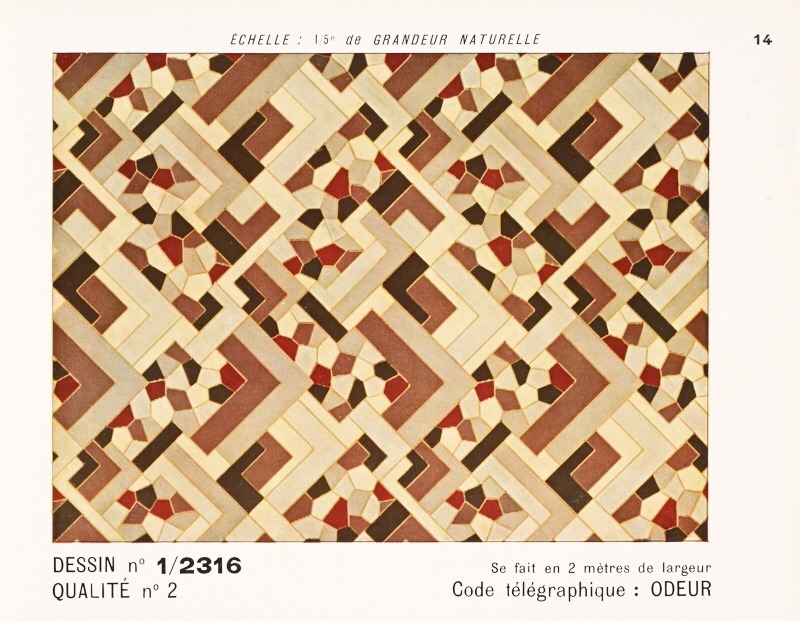
Design is fine. History is mine. — Linoleum manufacturers catalog, 1930
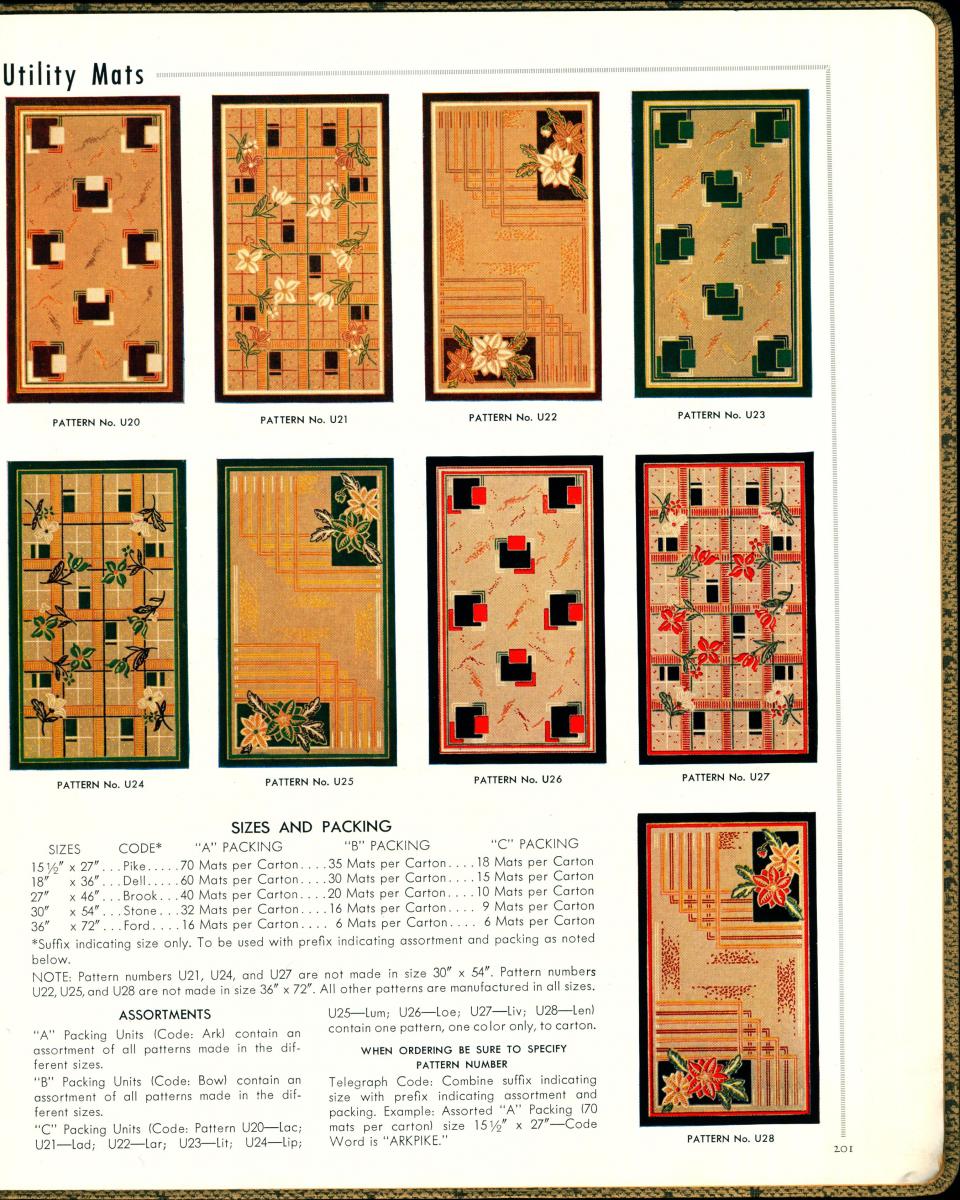
The Evolution of Linoleum

Linoleum Flooring Floral Pattern / Colourful Retro Vinyl Flooring

Flickriver Photoset '1930s Linoleum' by Daily Bungalow

Retro Linoleum Patterns
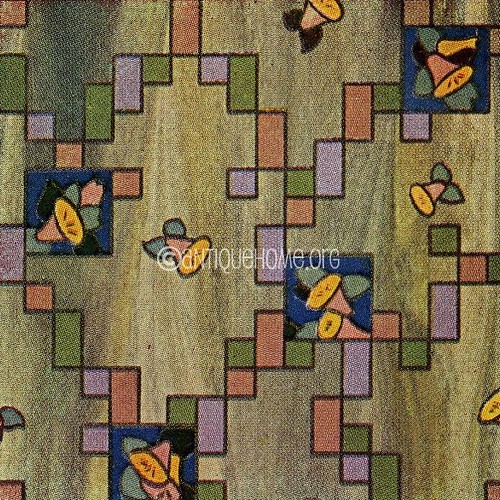
Linoleum Pattern 1930 Flickr Photo Sharing!
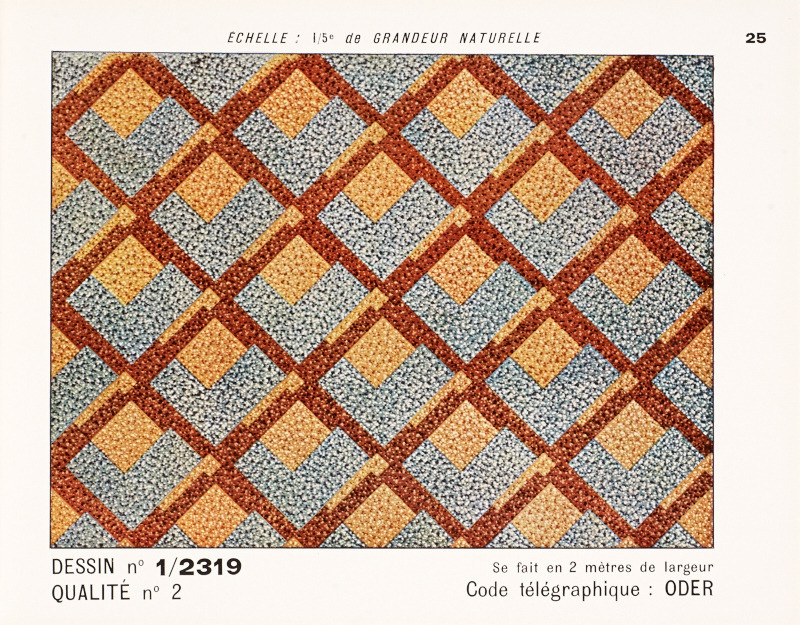
Design is fine. History is mine. — Linoleum manufacturers catalog, 1930
Web I Have About Twenty Or Thirty Rolls Od New Old Stock Linoleum With Geometric Patterns In A Variety Of Colours, Thinking To Sell, But Not Sure How To Price It All.
See What's Coming Up Next.
These Kitchens Often Featured Bold Linoleum Patterns, Which Were A Hallmark Of The Era, Offering Durability And Ease Of Cleaning At An Affordable Cost.
The Colors Are More Subdued, Being Browns And Rather Than The Bright Blues, Reds, Yellows And Greens, Etc., Popular In The 40S, But Still.
Related Post: