
Drywall Texture Brush Patterns
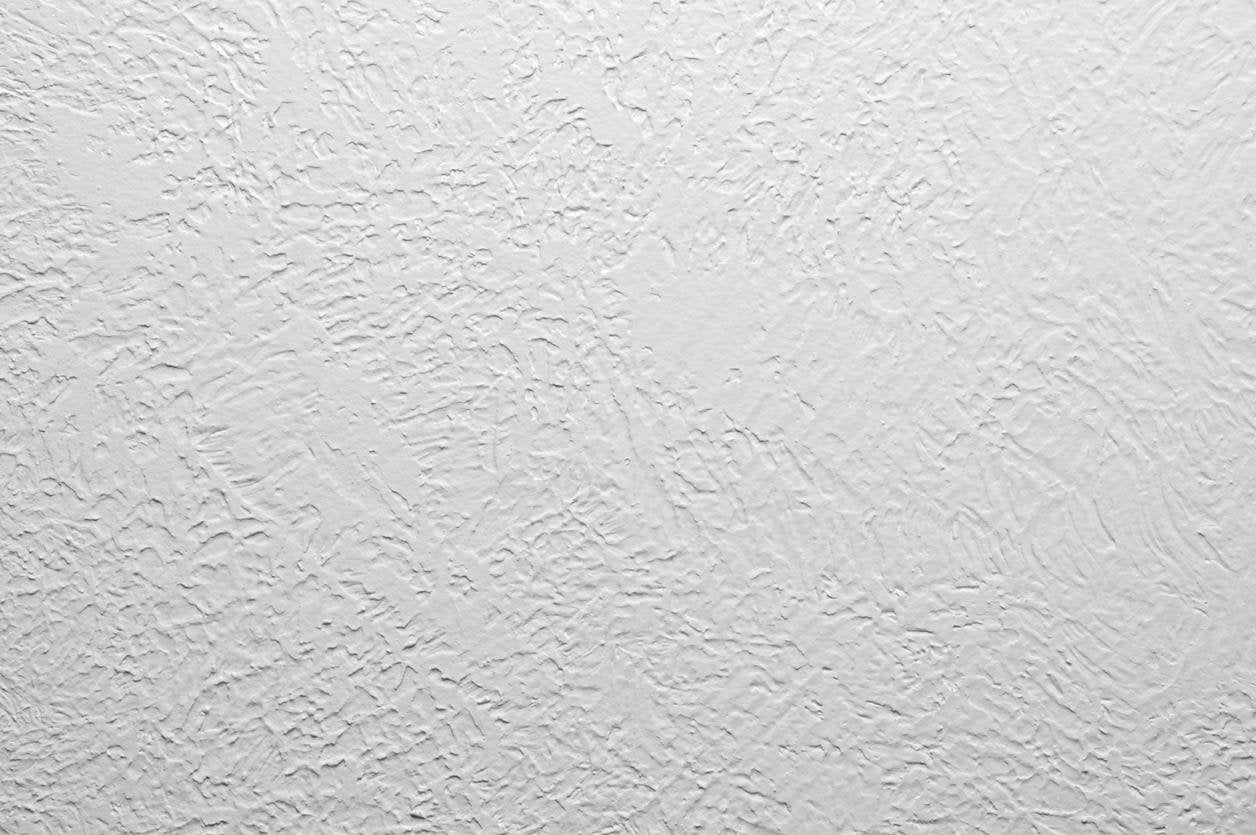
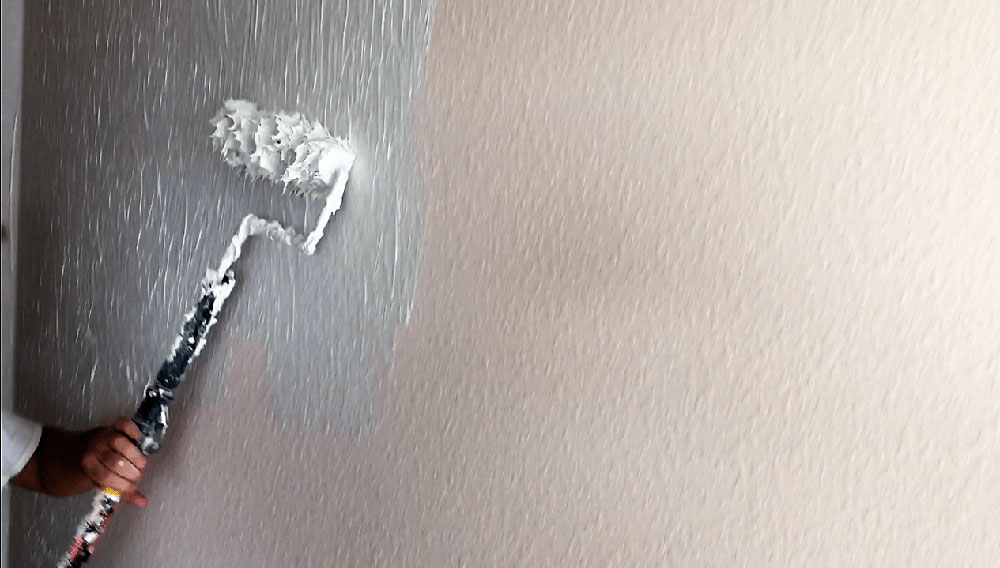
Drywall Texture Brush Patterns - Here’s a gallery of the visually appealing styles and patterns you can produce within each of. Web practice making a swirl pattern on a spare piece of drywall before moving onto your wall. I like to use a 3/4 nap roller skin, you could use a 1/2 if you want. Web to create lines and patterns on your walls and ceilings, you’ll need the following: Web stomp knockdown texture is common in new construction across the midwest united states. Web the swirls are created by using a medium or thick bristled brush (think of a wallpaper brush, shown here, or the bristles on the back side of an ice scraper). I prefer the regular old double header. You can go with a round single, double, each kind of brush changes the look of the texture. You will need a paint roller, a slap brush or crows foot brush and 2 poles. Web stomp brush texture is also called crows foot, slap brush, or stipple, and it’s easy to create this texture on drywall surfaces using “mud” or drywall compound. Some designs call for a combination of these methods. Using the brush, start at the very top of the wall, making a big loop with an open bottom. Web practice making a swirl pattern on a spare piece of drywall before moving onto your wall. I prefer the regular old double header. Web wall texture types can be created by using a paint sprayer, a special brush, or a trowel or knife. I like to use a 3/4 nap roller skin, you could use a 1/2 if you want. The pattern can be orderly rows of half fans, or it can be more complex such as interlocking cs or. Web stomp brush texture is also called crows foot, slap brush, or stipple, and it’s easy to create this texture on drywall surfaces using “mud” or drywall compound. As the name implies this texture is created by using a brush to stomp patterns in drywall mud across the surface being textured. Web the swirls are created by using a medium or thick bristled brush (think of a wallpaper brush, shown here, or the bristles on the back side of an ice scraper). I like to use a 3/4 nap roller skin, you could use a 1/2 if you want. Here’s a gallery of the visually appealing styles and patterns you can produce within each of. Web the swirls are created by using a medium or thick bristled brush (think of a wallpaper brush, shown here, or the bristles on the back side. You will need a paint roller, a slap brush or crows foot brush and 2 poles. Web practice making a swirl pattern on a spare piece of drywall before moving onto your wall. I prefer the regular old double header. Some designs call for a combination of these methods. I like to use a 3/4 nap roller skin, you could. The pattern can be orderly rows of half fans, or it can be more complex such as interlocking cs or. Web the swirls are created by using a medium or thick bristled brush (think of a wallpaper brush, shown here, or the bristles on the back side of an ice scraper). The type of drywall trowel you use will determine. Web to create lines and patterns on your walls and ceilings, you’ll need the following: I prefer the regular old double header. You will need a paint roller, a slap brush or crows foot brush and 2 poles. Using the brush, start at the very top of the wall, making a big loop with an open bottom. Some designs call. Web the swirls are created by using a medium or thick bristled brush (think of a wallpaper brush, shown here, or the bristles on the back side of an ice scraper). I prefer the regular old double header. The type of drywall trowel you use will determine how the texture will look. Web to create lines and patterns on your. Using the brush, start at the very top of the wall, making a big loop with an open bottom. I like to use a 3/4 nap roller skin, you could use a 1/2 if you want. Web stomp brush texture is also called crows foot, slap brush, or stipple, and it’s easy to create this texture on drywall surfaces using. You will need a paint roller, a slap brush or crows foot brush and 2 poles. The type of drywall trowel you use will determine how the texture will look. Some designs call for a combination of these methods. I prefer the regular old double header. As the name implies this texture is created by using a brush to stomp. I prefer the regular old double header. Web practice making a swirl pattern on a spare piece of drywall before moving onto your wall. Web to create lines and patterns on your walls and ceilings, you’ll need the following: Web stomp knockdown texture is common in new construction across the midwest united states. The type of drywall trowel you use. I prefer the regular old double header. Using the brush, start at the very top of the wall, making a big loop with an open bottom. Web the swirls are created by using a medium or thick bristled brush (think of a wallpaper brush, shown here, or the bristles on the back side of an ice scraper). Some designs call. Web to create lines and patterns on your walls and ceilings, you’ll need the following: Web stomp brush texture is also called crows foot, slap brush, or stipple, and it’s easy to create this texture on drywall surfaces using “mud” or drywall compound. Web stomp knockdown texture is common in new construction across the midwest united states. I prefer the. The type of drywall trowel you use will determine how the texture will look. Web the swirls are created by using a medium or thick bristled brush (think of a wallpaper brush, shown here, or the bristles on the back side of an ice scraper). The pattern can be orderly rows of half fans, or it can be more complex such as interlocking cs or. I like to use a 3/4 nap roller skin, you could use a 1/2 if you want. Web wall texture types can be created by using a paint sprayer, a special brush, or a trowel or knife. Some designs call for a combination of these methods. Here’s a gallery of the visually appealing styles and patterns you can produce within each of. Web stomp brush texture is also called crows foot, slap brush, or stipple, and it’s easy to create this texture on drywall surfaces using “mud” or drywall compound. Using the brush, start at the very top of the wall, making a big loop with an open bottom. You can go with a round single, double, each kind of brush changes the look of the texture. Web practice making a swirl pattern on a spare piece of drywall before moving onto your wall. I prefer the regular old double header.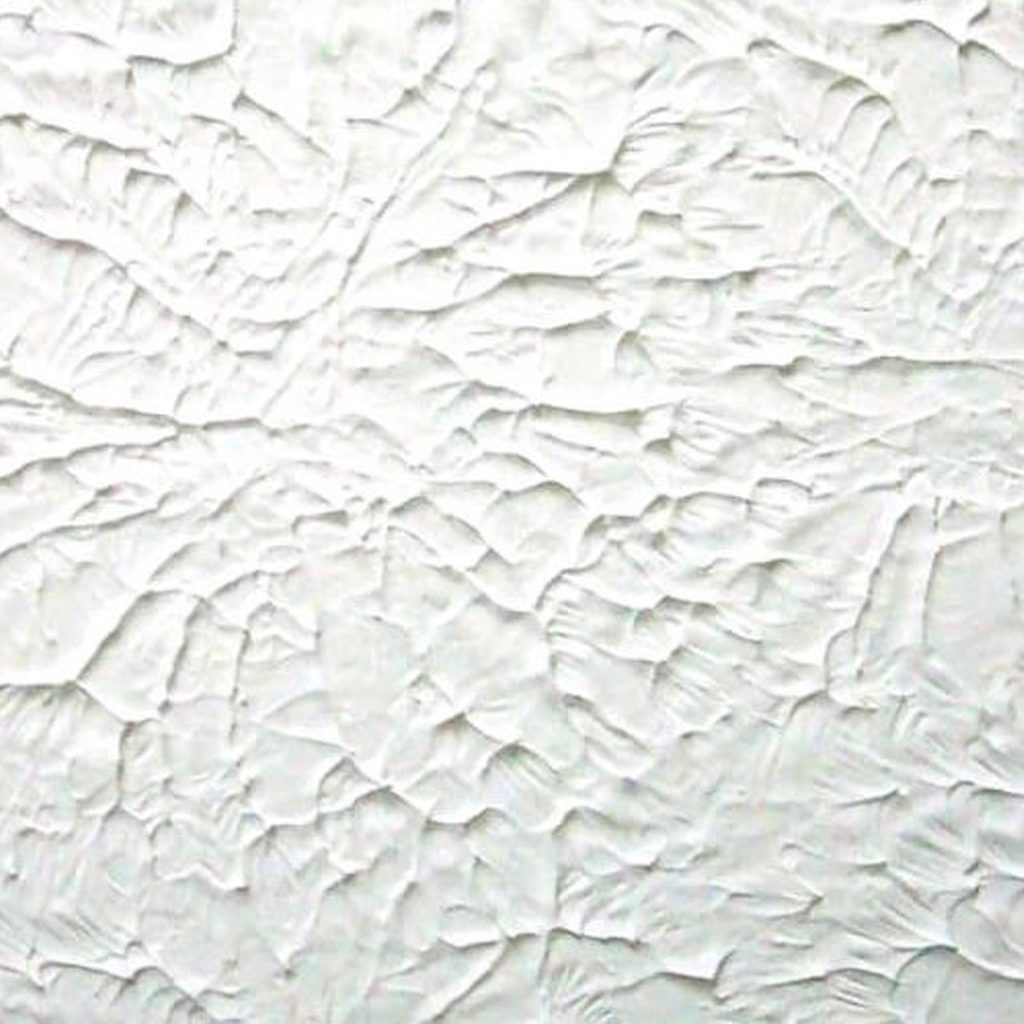
Drywall Texture Types You Need to Know Family Handyman
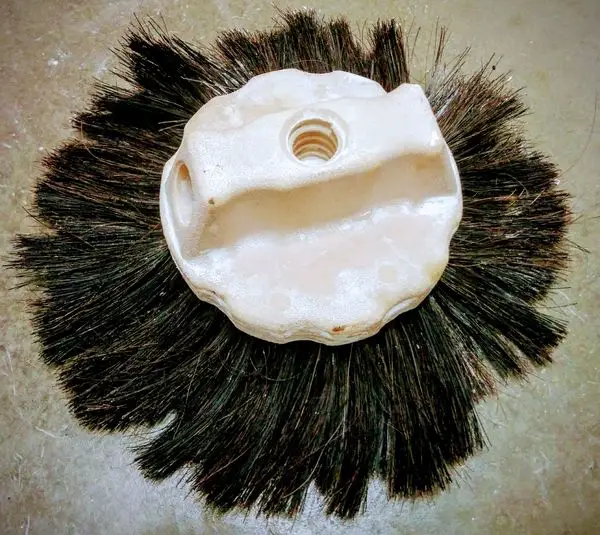
Rosebud Drywall Texture
:max_bytes(150000):strip_icc()/040620172953977-5aa83a77ae9ab80037862540.jpg)
How to Create a Slap Brush Texture on Drywall

Texmaster Original 8" Drywall Rosebud Texture Stipple Brush TXM9901

How To Texture Drywall Ceiling Brush

Stomp Brush Style Drywall Texture from the 1980s. Stock Photo Image
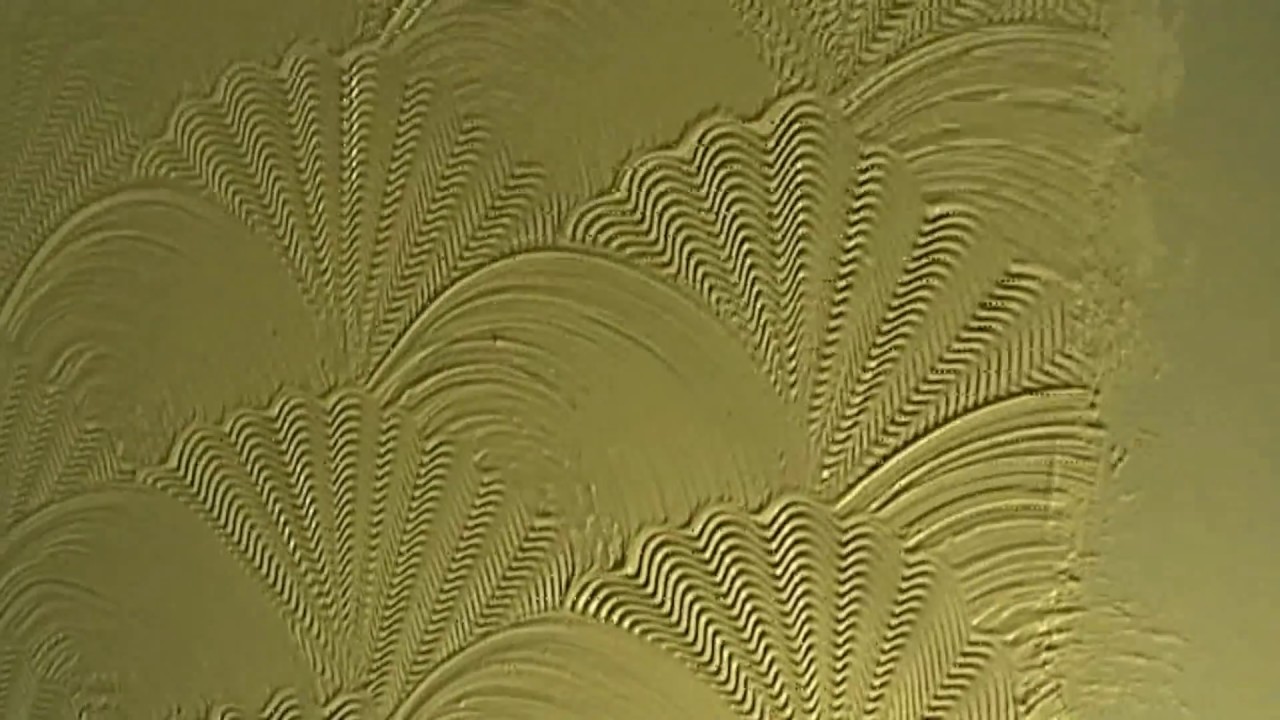
Brush Swirl Wall Texture Oyster Shell Comb Combination Artex Pattern
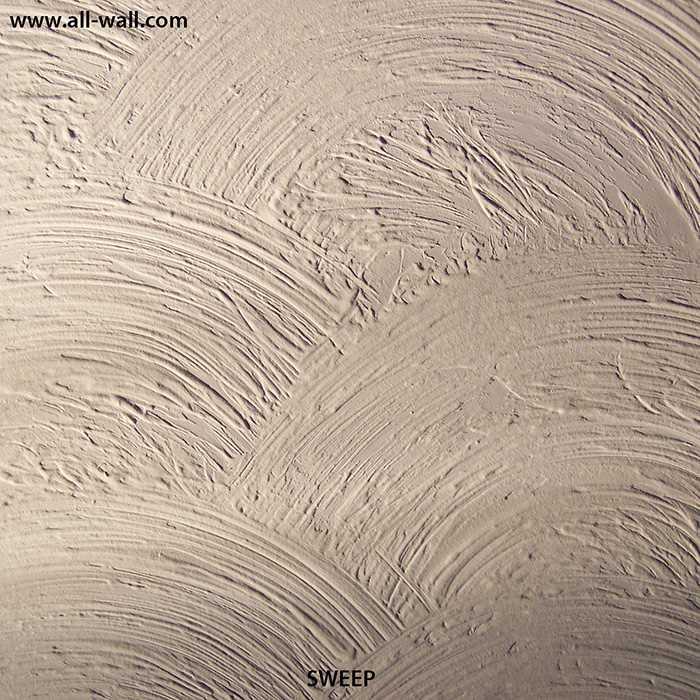
Drywall Ceiling Texture Brushes Wall Design Ideas
7 Wall Texture Types and How to Create Them Bob Vila
How to texture drywall so that it looks amazing
You Will Need A Paint Roller, A Slap Brush Or Crows Foot Brush And 2 Poles.
Web Stomp Knockdown Texture Is Common In New Construction Across The Midwest United States.
Web To Create Lines And Patterns On Your Walls And Ceilings, You’ll Need The Following:
As The Name Implies This Texture Is Created By Using A Brush To Stomp Patterns In Drywall Mud Across The Surface Being Textured.
Related Post: