
Grasp Patterns Occupational Therapy
Grasp Patterns Occupational Therapy - How to hold a spoon and fork. Web grasp patterns refer to the different ways children hold and manipulate objects using their hands and fingers. Related, here are more fine motor activities using. Web free resources, functional skills, occupational therapy activities. Web interventions for impaired grasp patterns assessing the underlying impairment impacting grasp formation as well as the activity it is impacting on plays a. Our grasp patterns develop with us. Web developmental milestones in occupational therapy. Web to treat children ages’ birth to adolescence, work with their families, and support their teams, while providing quality therapy that enables the child to meet their. Scissors are thumb up in the upper handle and wrist in held upside. Web all you need are clothes pins to build muscle strength and pinch patterns in occupational therapy sessions. Web a hook grasp is a type of motor pattern in which the fingers are bent at all the joints in a slightly flexed pattern with the thumb either assisting to grasp an object. The precision of grasp and release is essential for. Hold objects like pencils, paint brushes, or crayons 2. Differences in grasp patterns contribute to. Web today, i’m sharing ways to work on the controlled use of these fine motor patterns in controlled dexterity tasks. Web a pencil grasp is efficient when a student is able to perform functional printing, colouring, and drawing tasks. Web developmental milestones in occupational therapy. Web encouraging a mature pencil grasp includes skills such as core strength, crossing midline, bilateral coordination, shoulder and arm stability, separation of the two. Web looking for more ways to practice precision in grasp, release, and rotation with occupational therapy students or your kids? When assessing a child, we look first at functionality along with other. Try some of these ideas. Scissors are thumb up in the upper handle and wrist in held upside. How to hold a spoon and fork. A grasp pattern refers to the motor positioning of the hand on a utensil, or the specific type of grip used by the fingers and thumb to hold and manipulate objects. Variances in patterns of. Web looking for more ways to practice precision in grasp, release, and rotation with occupational therapy students or your kids? Web to treat children ages’ birth to adolescence, work with their families, and support their teams, while providing quality therapy that enables the child to meet their. Web a hook grasp is a type of motor pattern in which the. Web interventions for impaired grasp patterns assessing the underlying impairment impacting grasp formation as well as the activity it is impacting on plays a. How to hold a spoon and fork. Web we use grasp patterns to pick up objects, to hold our silverware, to utilize objects, and to manipulate our writing utensils. Scissors are thumb up in the upper. Web the optimal grasp pattern for good manipulative skills has good separation between the two sides of the hand with the thumb, index and third fingers providing dynamic. Web grasp patterns refer to the way we hold and manipulate objects with our hands. Related, here are more fine motor activities using. Web all you need are clothes pins to build. Variances in patterns of grasp promote refined coordination in motor skills, or finger dexterity. Scissors are held with thumbs up grasp (alternate): Palmar, radial, gross, pincer, tripod, lateral, are just a few of grasp patterns Web grasp patterns refer to the way we hold and manipulate objects with our hands. When it comes to developmental milestones, knowing where to look. Differences in grasp patterns contribute to. There are different types of grasp patterns that develop as we grow and help. Web grasp patterns refer to the way we hold and manipulate objects with our hands. Web the optimal grasp pattern for good manipulative skills has good separation between the two sides of the hand with the thumb, index and third. How to hold a spoon and fork. The precision of grasp and release is essential for. Web a hook grasp is a type of motor pattern in which the fingers are bent at all the joints in a slightly flexed pattern with the thumb either assisting to grasp an object. Our grasp patterns develop with us. Web grasp patterns and. Palmar, radial, gross, pincer, tripod, lateral, are just a few of grasp patterns Differences in grasp patterns contribute to. Web a pencil grasp is efficient when a student is able to perform functional printing, colouring, and drawing tasks. A grasp pattern refers to the motor positioning of the hand on a utensil, or the specific type of grip used by. Web grasp patterns and activities to promote fine motor skills. Palmar, radial, gross, pincer, tripod, lateral, are just a few of grasp patterns Web all you need are clothes pins to build muscle strength and pinch patterns in occupational therapy sessions. Web interventions for impaired grasp patterns assessing the underlying impairment impacting grasp formation as well as the activity it. When it comes to developmental milestones, knowing where to look for growth and how to measure progress may seem. Web grasp patterns refer to the way we hold and manipulate objects with our hands. A grasp pattern refers to the motor positioning of the hand on a utensil, or the specific type of grip used by the fingers and thumb. If a student is reporting excessive hand fatigue or. Web grasp patterns and activities to promote fine motor skills. A grasp pattern refers to the motor positioning of the hand on a utensil, or the specific type of grip used by the fingers and thumb to hold and manipulate objects. Related, here are more fine motor activities using. Scissors are held with thumbs up grasp (alternate): Web looking for more ways to practice precision in grasp, release, and rotation with occupational therapy students or your kids? Web a hook grasp is a type of motor pattern in which the fingers are bent at all the joints in a slightly flexed pattern with the thumb either assisting to grasp an object. Web grasp patterns refer to the different ways children hold and manipulate objects using their hands and fingers. Web today, i’m sharing ways to work on the controlled use of these fine motor patterns in controlled dexterity tasks. The precision of grasp and release is essential for. Variances in patterns of grasp promote refined coordination in motor skills, or finger dexterity. Scissors are thumb up in the upper handle and wrist in held upside. Palmar, radial, gross, pincer, tripod, lateral, are just a few of grasp patterns Web to treat children ages’ birth to adolescence, work with their families, and support their teams, while providing quality therapy that enables the child to meet their. Web developmental milestones in occupational therapy. Try some of these ideas.
Image result for grasp patterns Grasp, Fine motor, Pattern

Pin en OT

grasp patterns Types Of Hands, Pencil Grip, Pediatric Ot, Grip Strength

Pencil Grasp Basics An Infographic Occupational therapy handwriting

Development of Grasp Pediatric therapy, Development, Pediatric
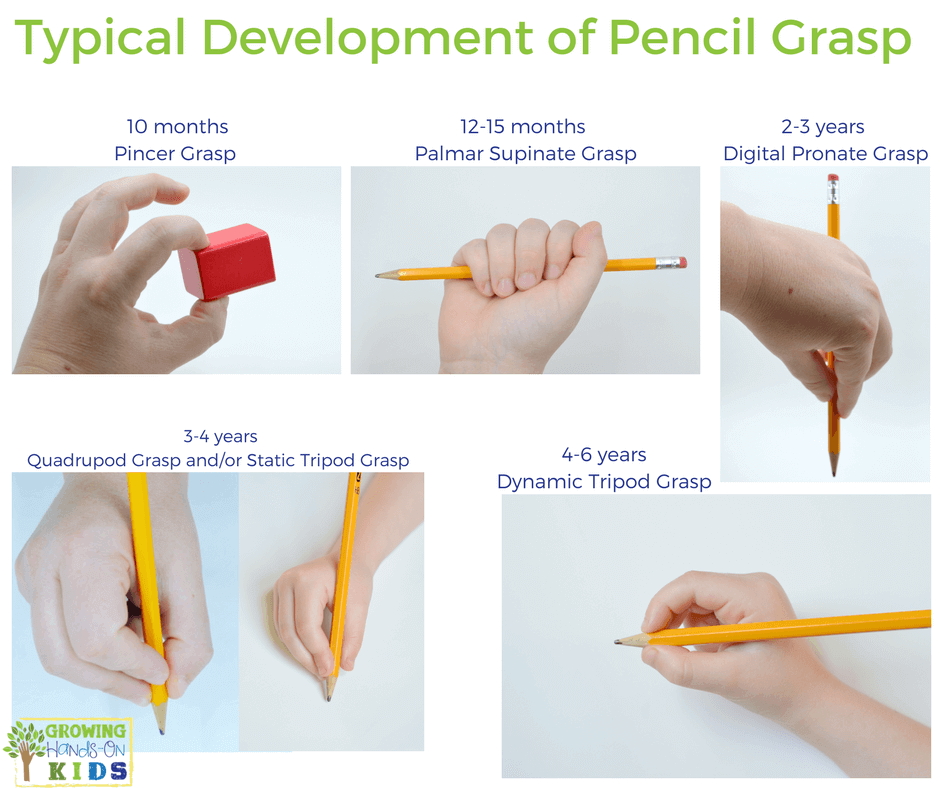
TypicalPencilGraspDevelopmentFB2 Growing HandsOn Kids

Image result for types of grasp

Types Of Hand Grasp Patterns
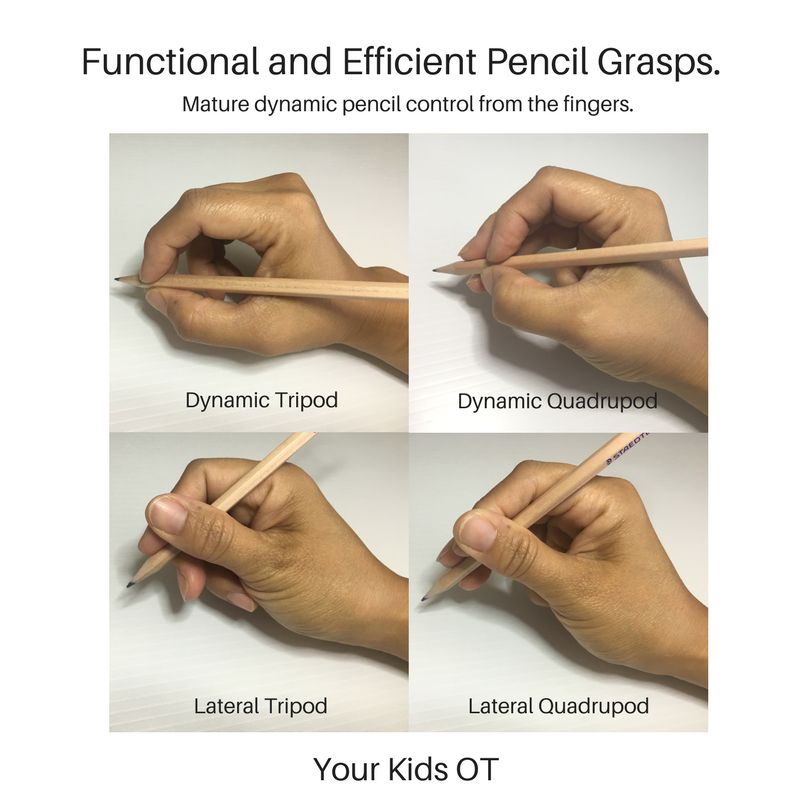
Your Kids OT Your Kids OT blog

Occupational Therapy Newsletter Grasp Patterns How Can We Promote
There Are Different Types Of Grasp Patterns That Develop As We Grow And Help.
Web Encouraging A Mature Pencil Grasp Includes Skills Such As Core Strength, Crossing Midline, Bilateral Coordination, Shoulder And Arm Stability, Separation Of The Two.
Differences In Grasp Patterns Contribute To.
How To Hold A Spoon And Fork.
Related Post: