
Hip Joint Pain Referral Patterns
Hip Joint Pain Referral Patterns - The clinical examination of the hip requires a systematic approach to differentially diagnose hip. Web this study was undertaken to determine the most common referral patterns of hip pain in patients scheduled to undergo primary and revision total hip replacement. The hip joint was shown to cause pain in traditionally accepted referral areas to the groin and thigh in 55% and 57% of patients, respectfully. However, pain referral was also seen in the buttock and lower extremity. However, pain referral was also seen in the buttock and lower extremity distal to the knee in. The hip joint can cause pain outside of the immediate hip region and must be considered in the differential of buttock,. Web several studies have documented pain localization and pain referral pattern in patients with hip oa and a common thought in the past has been that pain from the hip joint typically refers to the groin, anterior thigh and knee. Hip joint pain can occasionally refer distally to the foot. Web the hip joint was shown to cause pain in traditionally accepted referral areas to the groin and thigh in 55% and 57% of patients, respectfully. Web this study's referral patterns can be a useful tool in the diagnosis of hip joint related pain. Traditionally accepted groin and thigh referral areas were less. Lower lumbar spine referral did not occur. However, pain referral was also seen in the buttock and lower extremity distal to the knee in. Web fourteen pain referral patterns were observed. The clinical examination of the hip requires a systematic approach to differentially diagnose hip. Web objective to determine hip joint pain referral patterns. However, pain referral was also seen in the buttock and lower extremity. Web this study was undertaken to determine the most common referral patterns of hip pain in patients scheduled to undergo primary and revision total hip replacement. Hip joint pain can occasionally refer distally to the foot. The hip joint was shown to cause pain in traditionally accepted referral areas to the groin and thigh in 55% and 57% of patients, respectfully. Web objective to determine hip joint pain referral patterns. Web the hip joint was shown to cause pain in traditionally accepted referral areas to the groin and thigh in 55% and 57% of patients, respectfully. Web buttock pain is the most common pain referral area from a symptomatic hip joint. The clinical examination of the hip requires a systematic approach. The hip joint can cause pain outside of the immediate hip region and must be considered in the differential of buttock,. However, pain referral was also seen in the buttock and lower extremity distal to the knee in. The hip joint was shown to cause pain in traditionally accepted referral areas to the groin and thigh in 55% and 57%. Web the hip and pelvis have a complex anatomy and are a common source of pain and injury in the athletic population. Web objective to determine hip joint pain referral patterns. Web this study was undertaken to determine the most common referral patterns of hip pain in patients scheduled to undergo primary and revision total hip replacement. Web the hip. Web objective to determine hip joint pain referral patterns. Traditionally accepted groin and thigh referral areas were less. The clinical examination of the hip requires a systematic approach to differentially diagnose hip. Web fourteen pain referral patterns were observed. Web the hip and pelvis have a complex anatomy and are a common source of pain and injury in the athletic. Buttock pain is the most common pain referral area from a symptomatic hip joint. However, pain referral was also seen in the buttock and lower extremity. Web fourteen pain referral patterns were observed. Traditionally accepted groin and thigh referral areas were less common. Web this study was undertaken to determine the most common referral patterns of hip pain in patients. Web this study's referral patterns can be a useful tool in the diagnosis of hip joint related pain. Buttock pain is the most common pain referral area from a symptomatic hip joint. However, pain referral was also seen in the buttock and lower extremity distal to the knee in. Web several studies have documented pain localization and pain referral pattern. Web buttock pain is the most common pain referral area from a symptomatic hip joint. Web objective to determine hip joint pain referral patterns. Lower lumbar spine referral did not occur. The clinical examination of the hip requires a systematic approach to differentially diagnose hip. However, pain referral was also seen in the buttock and lower extremity distal to the. The hip joint can cause pain outside of the immediate hip region and must be considered in the differential of buttock,. Traditionally accepted groin and thigh referral areas were less common. However, pain referral was also seen in the buttock and lower extremity. Web the hip joint was shown to cause pain in traditionally accepted referral areas to the groin. However, pain referral was also seen in the buttock and lower extremity. Traditionally accepted groin and thigh referral areas were less. Hip joint pain can occasionally refer distally to the foot. The clinical examination of the hip requires a systematic approach to differentially diagnose hip. Web several studies have documented pain localization and pain referral pattern in patients with hip. However, pain referral was also seen in the buttock and lower extremity distal to the knee in. Lower lumbar spine referral did not occur. The hip joint can cause pain outside of the immediate hip region and must be considered in the differential of buttock,. Web several studies have documented pain localization and pain referral pattern in patients with hip. Hip joint pain can occasionally refer distally to the foot. The clinical examination of the hip requires a systematic approach to differentially diagnose hip. Web several studies have documented pain localization and pain referral pattern in patients with hip oa and a common thought in the past has been that pain from the hip joint typically refers to the groin, anterior thigh and knee. The hip joint was shown to cause pain in traditionally accepted referral areas to the groin and thigh in 55% and 57% of patients, respectfully. Traditionally accepted groin and thigh referral areas were less common. Web buttock pain is the most common pain referral area from a symptomatic hip joint. Web this study's referral patterns can be a useful tool in the diagnosis of hip joint related pain. Web the hip joint was shown to cause pain in traditionally accepted referral areas to the groin and thigh in 55% and 57% of patients, respectfully. However, pain referral was also seen in the buttock and lower extremity distal to the knee in. The hip joint can cause pain outside of the immediate hip region and must be considered in the differential of buttock,. Buttock pain is the most common pain referral area from a symptomatic hip joint. Web the hip and pelvis have a complex anatomy and are a common source of pain and injury in the athletic population. Web this study was undertaken to determine the most common referral patterns of hip pain in patients scheduled to undergo primary and revision total hip replacement. Web objective to determine hip joint pain referral patterns.![[PDF] Hip joint pain referral patterns a descriptive study. Semantic](https://d3i71xaburhd42.cloudfront.net/e773ef4cec137717068b9b83c77b46c2c58622ce/3-Figure2-1.png)
[PDF] Hip joint pain referral patterns a descriptive study. Semantic
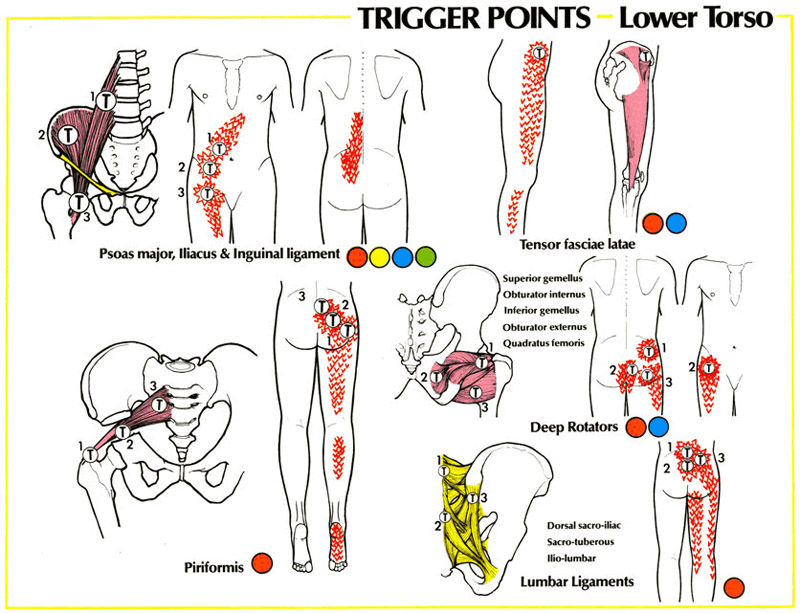
Sciatica GadiBody

Hip Trigger Point Referral Patterns

Hip joint pain referral patterns. Image by Robert Trager, DC, based on

Hip Trigger Points Chart

Pin on Work
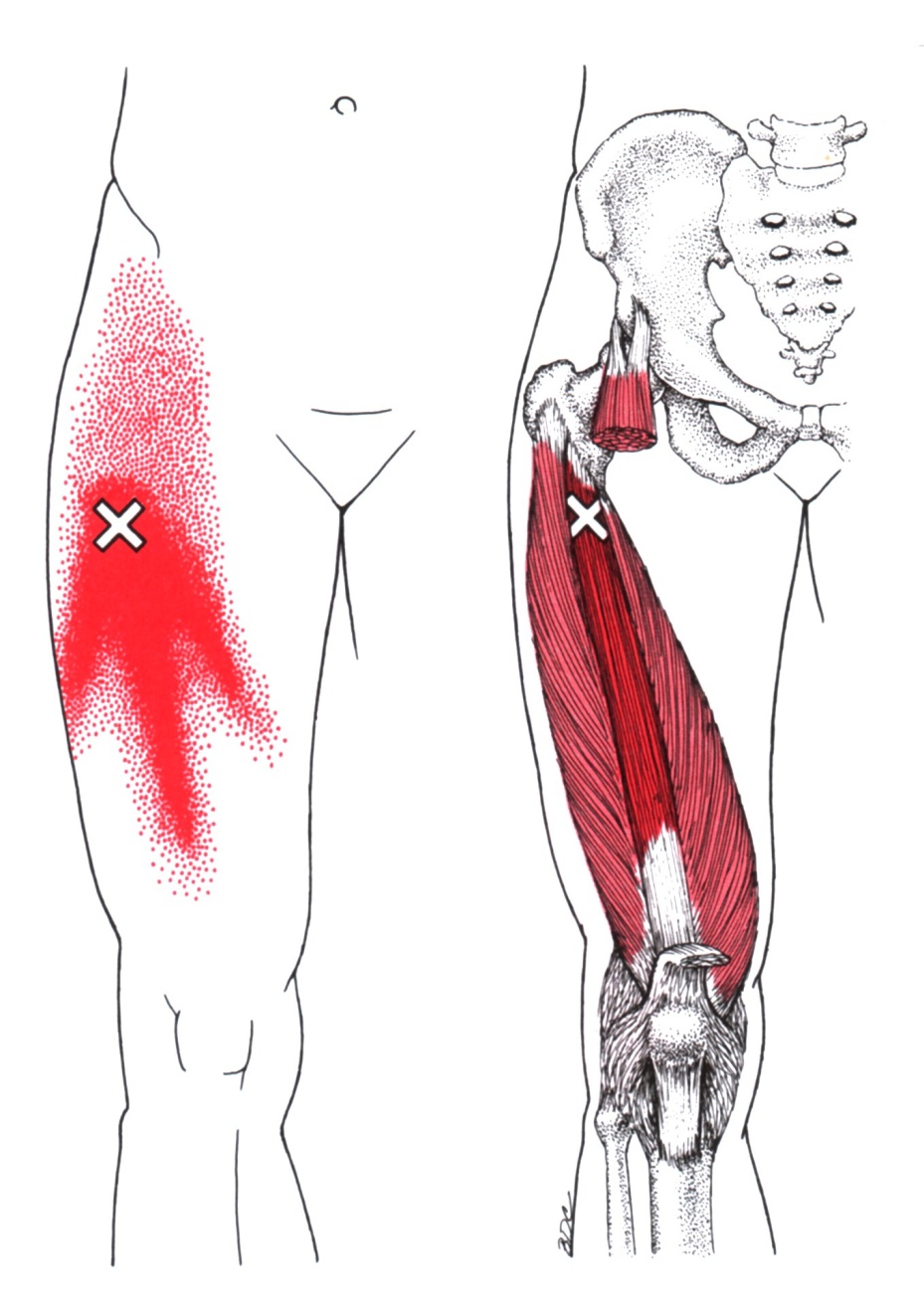
Vastus Intermedius The Trigger Point & Referred Pain Guide
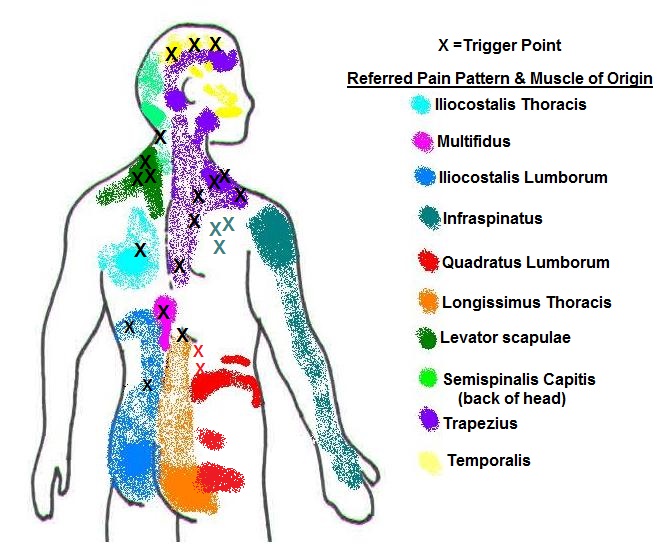
Hip Referred Pain Chart
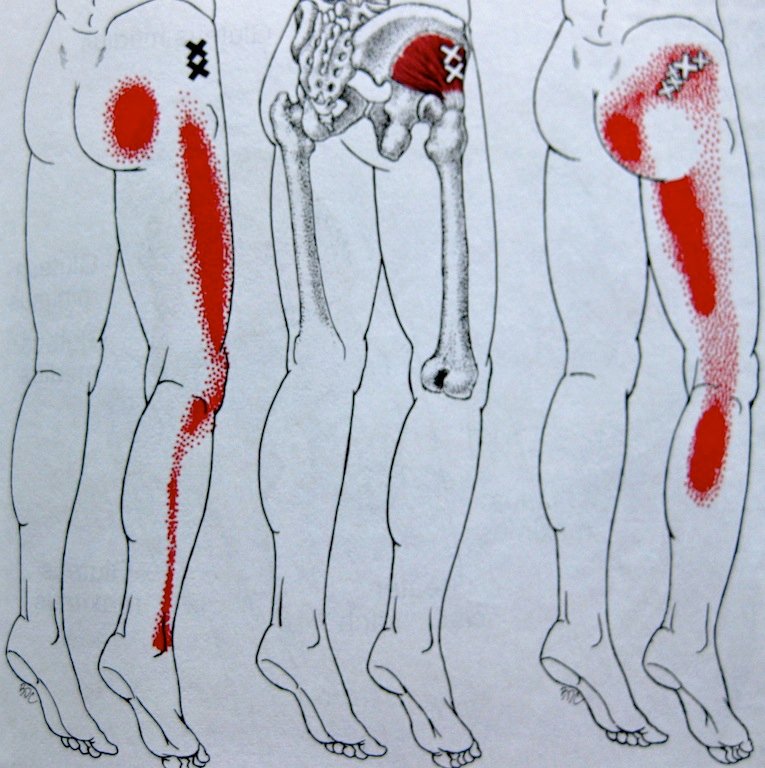
Hip Pain The Easy Fix Personal Training North Vancouver

Hip Pain Referral Patterns Lower Torso Massage Pinterest
Traditionally Accepted Groin And Thigh Referral Areas Were Less.
Web Fourteen Pain Referral Patterns Were Observed.
However, Pain Referral Was Also Seen In The Buttock And Lower Extremity.
Lower Lumbar Spine Referral Did Not Occur.
Related Post: