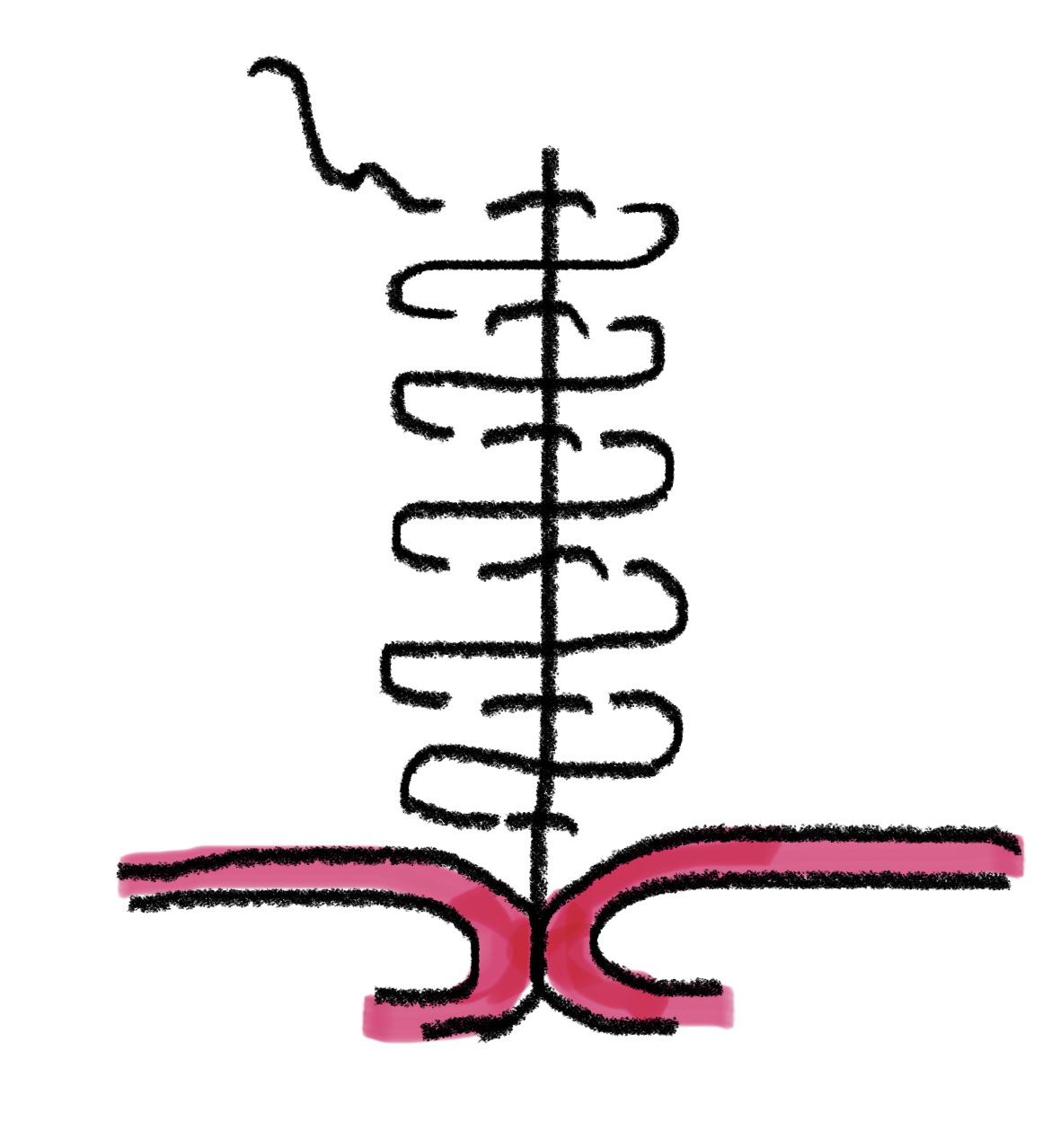
Lembert Suture Pattern
Lembert Suture Pattern - Web in veterinary medicine, the lembert suture pattern is most commonly used when closing hollow viscera such as the stomach, urinary bladder, and uterus in. The needle is inserted perpendicular to the epidermis, approximately 8 mm distant to the wound edge. The continuous lembert pattern is often used for closing incisions in hollow viscera such as the stomach, urinary bladder and uterus. The gastrointestinal tract is closed with a simple continuous suture pattern to provide apposition of all the layers of the wall of the gastrointestinal tract. Web inverting patterns turn the cut edges inward and minimize exposed suture. The needle is inserted perpendicular to the epidermis, approximately 8 mm distant to the wound edge. Web #lembertsutures #surgerysutures #gastrointestinalsurgery #surgerytrainees #medicalstudents #intestinalanastomosis #enterotomyclosure dear friends!basic & adv. With a fluid motion of the wrist, the needle is rotated. It may be used to recreate the alar. Web learn how to perform an inverting lembert suture pattern, a technique for tissue apposition in veterinary surgery, with this video tutorial from michigan state university. Web inverting patterns turn the cut edges inward and minimize exposed suture. Web #lembertsutures #surgerysutures #gastrointestinalsurgery #surgerytrainees #medicalstudents #intestinalanastomosis #enterotomyclosure dear friends!basic & adv. The needle is inserted perpendicular to the epidermis, approximately 8 mm distant to the wound edge. With a fluid motion of the wrist, the needle is rotated. It may be used to recreate the alar. 4.6 ligatures and suture patterns. Web in veterinary medicine, the lembert suture pattern is most commonly used when closing hollow viscera such as the stomach, urinary bladder, and uterus in. These are used to close lumens in large animal species (intestines, bladders, uteri). The gastrointestinal tract is closed with a simple continuous suture pattern to provide apposition of all the layers of the wall of the gastrointestinal tract. The needle is inserted perpendicular to the epidermis, approximately 8 mm distant to the wound edge. 4.6 ligatures and suture patterns. These are used to close lumens in large animal species (intestines, bladders, uteri). It is begun by first. The needle is inserted perpendicular to the epidermis, approximately 8 mm distant to the wound edge. Web inverting patterns turn the cut edges inward and minimize exposed suture. With a fluid motion of the wrist, the needle is rotated. The continuous lembert pattern is often used for closing incisions in hollow viscera such as the stomach, urinary bladder and uterus. Web in veterinary medicine, the lembert suture pattern is most commonly used when closing hollow viscera such as the stomach, urinary bladder, and uterus in. Web inverting patterns. The gastrointestinal tract is closed with a simple continuous suture pattern to provide apposition of all the layers of the wall of the gastrointestinal tract. These are used to close lumens in large animal species (intestines, bladders, uteri). With a fluid motion of the wrist, the needle is rotated. Web learn how to perform an inverting lembert suture pattern, a. 4.6 ligatures and suture patterns. The continuous lembert pattern is often used for closing incisions in hollow viscera such as the stomach, urinary bladder and uterus. Web inverting patterns turn the cut edges inward and minimize exposed suture. Web #lembertsutures #surgerysutures #gastrointestinalsurgery #surgerytrainees #medicalstudents #intestinalanastomosis #enterotomyclosure dear friends!basic & adv. With a fluid motion of the wrist, the needle is. With a fluid motion of the wrist, the needle is rotated. The continuous lembert pattern is often used for closing incisions in hollow viscera such as the stomach, urinary bladder and uterus. Web inverting patterns turn the cut edges inward and minimize exposed suture. The gastrointestinal tract is closed with a simple continuous suture pattern to provide apposition of all. Web in veterinary medicine, the lembert suture pattern is most commonly used when closing hollow viscera such as the stomach, urinary bladder, and uterus in. The gastrointestinal tract is closed with a simple continuous suture pattern to provide apposition of all the layers of the wall of the gastrointestinal tract. It is begun by first. The needle is inserted perpendicular. Web inverting patterns turn the cut edges inward and minimize exposed suture. The needle is inserted perpendicular to the epidermis, approximately 8 mm distant to the wound edge. Web in veterinary medicine, the lembert suture pattern is most commonly used when closing hollow viscera such as the stomach, urinary bladder, and uterus in. These are used to close lumens in. With a fluid motion of the wrist, the needle is rotated. The needle is inserted perpendicular to the epidermis, approximately 8 mm distant to the wound edge. It may be used to recreate the alar. 4.6 ligatures and suture patterns. These are used to close lumens in large animal species (intestines, bladders, uteri). The gastrointestinal tract is closed with a simple continuous suture pattern to provide apposition of all the layers of the wall of the gastrointestinal tract. Web in veterinary medicine, the lembert suture pattern is most commonly used when closing hollow viscera such as the stomach, urinary bladder, and uterus in. These are used to close lumens in large animal species. The needle is inserted perpendicular to the epidermis, approximately 8 mm distant to the wound edge. With a fluid motion of the wrist, the needle is rotated. The continuous lembert pattern is often used for closing incisions in hollow viscera such as the stomach, urinary bladder and uterus. It is begun by first. Web inverting patterns turn the cut edges. The continuous lembert pattern is often used for closing incisions in hollow viscera such as the stomach, urinary bladder and uterus. The gastrointestinal tract is closed with a simple continuous suture pattern to provide apposition of all the layers of the wall of the gastrointestinal tract. Web learn how to perform an inverting lembert suture pattern, a technique for tissue apposition in veterinary surgery, with this video tutorial from michigan state university. Web inverting patterns turn the cut edges inward and minimize exposed suture. The needle is inserted perpendicular to the epidermis, approximately 8 mm distant to the wound edge. Web in veterinary medicine, the lembert suture pattern is most commonly used when closing hollow viscera such as the stomach, urinary bladder, and uterus in. It may be used to recreate the alar. It is begun by first. With a fluid motion of the wrist, the needle is rotated. Web #lembertsutures #surgerysutures #gastrointestinalsurgery #surgerytrainees #medicalstudents #intestinalanastomosis #enterotomyclosure dear friends!basic & adv. The needle is inserted perpendicular to the epidermis, approximately 8 mm distant to the wound edge.
Lembert Suture Pattern YouTube

Continuous Lembert suture pattern. Suture placement is well away from
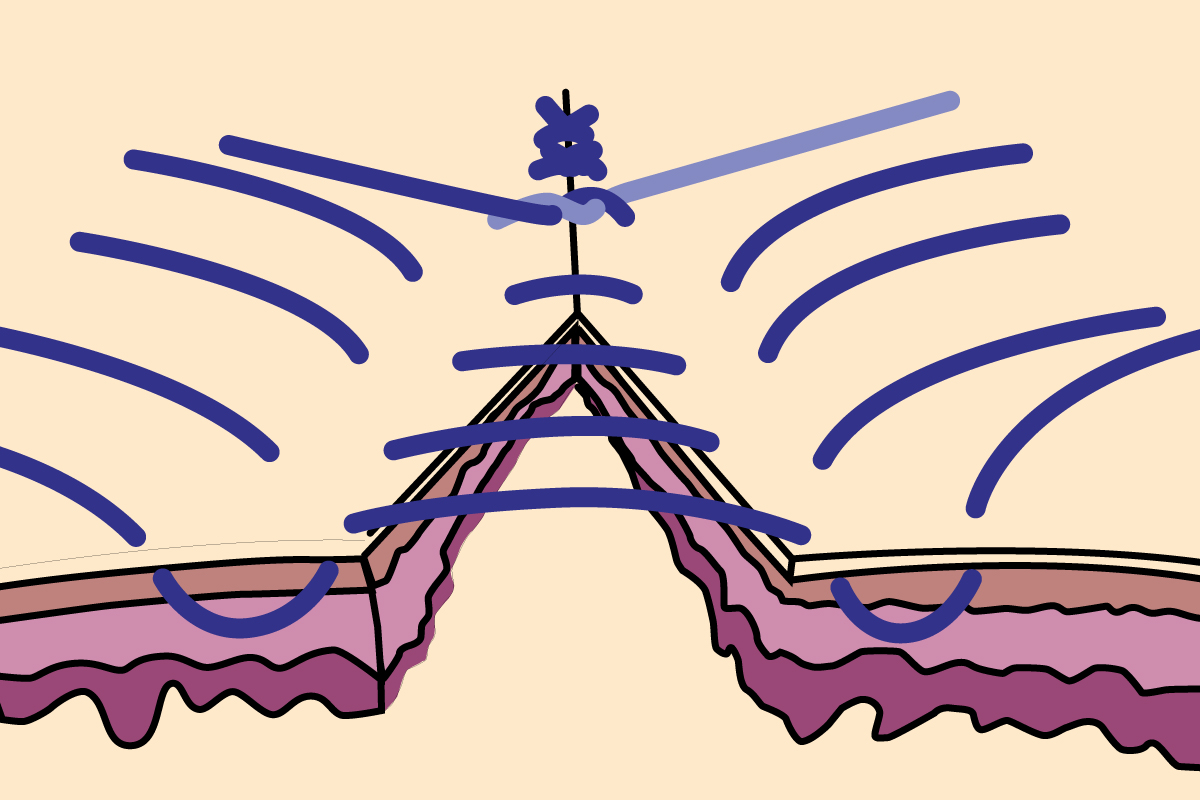
Common Suture Patterns and Suture Techniques EndoGynecology

Lembert Suture Demonstration YouTube

Lembert Suture Pattern YouTube
The Lembert Suture Pattern Application And USES I Love Veterinary

26. Lembert (invert pattern) vetsurku YouTube
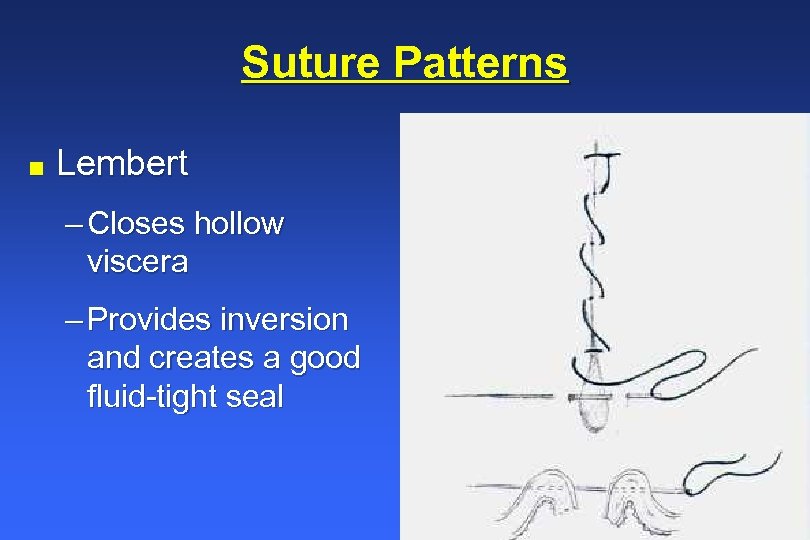
Wound Healing and Suture Knowledge ASR Certification Prep
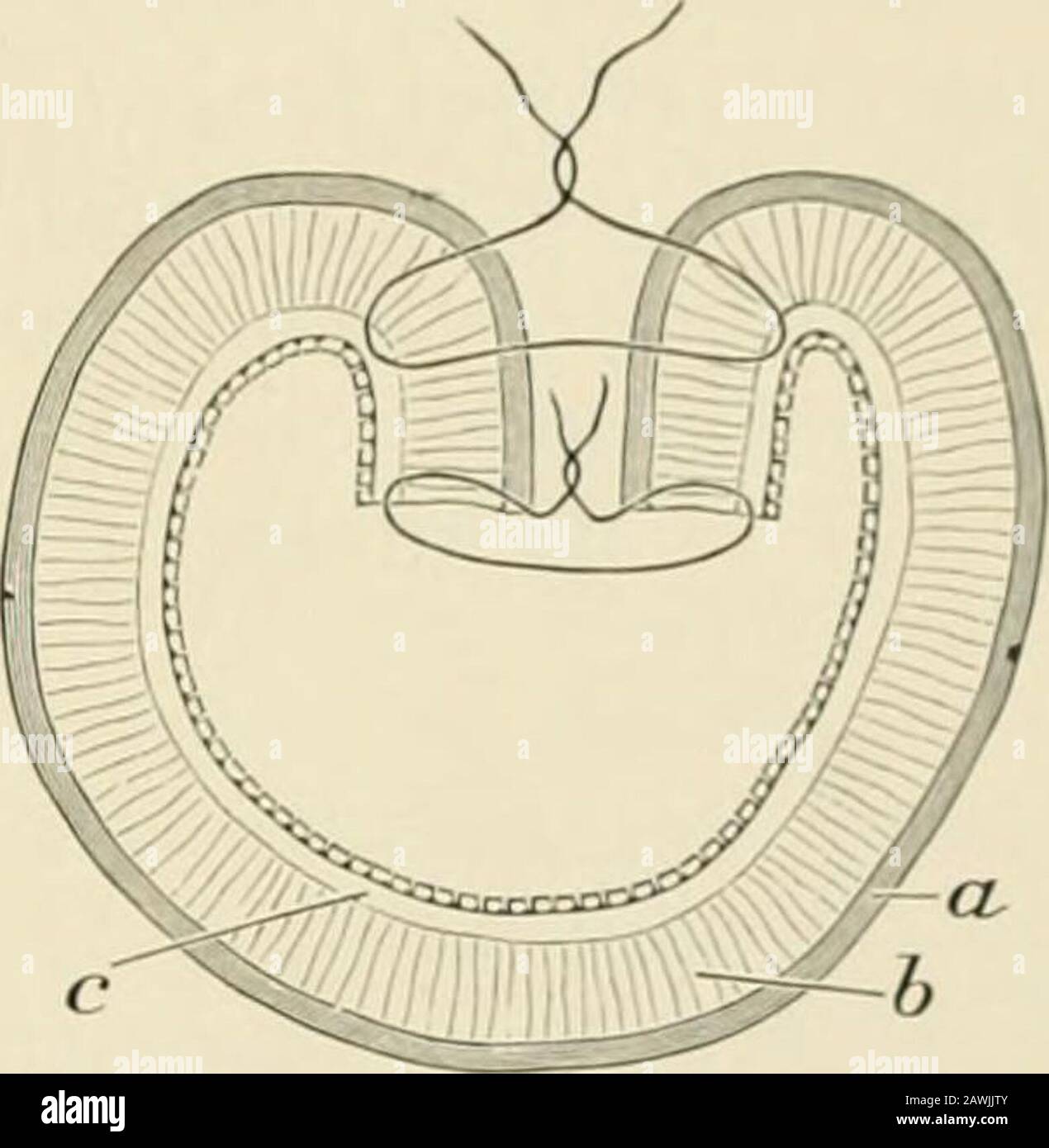
Bo 787 hires stock photography and images Alamy

The Lembert Suture Pattern Application and USES I Love Veterinary
4.6 Ligatures And Suture Patterns.
With A Fluid Motion Of The Wrist, The Needle Is Rotated.
These Are Used To Close Lumens In Large Animal Species (Intestines, Bladders, Uteri).
Related Post: