
Osteosarcoma Sunburst Pattern
Osteosarcoma Sunburst Pattern - Patients are typically children, teenagers or young adults who present with rapidly progressive pain and swelling. (b) ultrasound of same patient in (a) showing cortical destruction and boney mass. Diagnosis is made with radiographs showing a lesion that has a classic sunburst or hair on end periosteal reaction with biopsy showing cellular atypia with areas of osteoid and chondroblastic matrix. The angiographic findings in this tumor and their relationship to the pathologic appearance are discussed. Web the conventional plain radiograph is the best for probable diagnosis as it describes features like sun burst appearance, codman's triangle, new bone formation in soft tissues along with permeative pattern of destruction of the bone and other characteristics for specific subtypes of osteosarcomas. 1,2 osteosarcomas are defined by the production of osteoid, or immature bone, by malignant mesenchymal cells. Web the angiographic analogue of the ‘sunburst’, (right angle) periosteal new bone formation in osteogenic sarcoma is described. Web this pattern describes a lytic lesion with periosteal reaction and cortical disruption at or near the metaphysis (a) sunburst appearance of osteosarcoma. 1,2 with about 800 new cases diagnosed each year in the united. The sunburst appearance occurs when the lesion grows too fast. Web the sunburst appearance occurs when the lesion grows too fast and the periosteum does not have enough time to lay down a new layer and instead the sharpey's fibers stretch out perpendicular to the bone. Physical examination is notable for tenderness upon palpation above the right knee. 1,2 osteosarcomas are defined by the production of osteoid, or immature bone, by malignant mesenchymal cells. Web some osteosarcomas show a periosteal reaction manifesting as a sunburst pattern caused by radiating mineralized tumor spicules or a triangular elevation of the periosteum (codman's triangle). Medullary and cortical bone destruction. Web the associated soft tissue mass can exhibit variable patterns of ossification, leading to the characteristic radial sunburst pattern often associated with osteosarcoma. The spiculated pattern is linked to aggressive lesions which strip the periosteum from the cortical bone, leaving behind a loose attachment of residual sharpey’s fibres between them. Web it is noted that the sunburst pattern tends to occur with rapidly growing tumors in which there is both bone and extraosseous involvement and that the response occurs near, but not immediately adjacent to, destructive tumor foci. 1,2 with about 800 new cases diagnosed each year in the united. Web the angiographic analogue of the ‘sunburst’, (right angle) periosteal new bone formation in osteogenic sarcoma is described. Osteosarcoma does not cross the joint space to affect other bones in the joint. Medullary and cortical bone destruction. Web patients typically present between the ages of 15 to 25 years with regional pain and swelling. Patients are typically children, teenagers or young adults who present with rapidly progressive pain and swelling. A radiograph of the distal thigh demonstrates a. Diagnosis is made with radiographs showing a lesion that has a classic sunburst or hair on end periosteal reaction with biopsy showing cellular atypia with areas of osteoid and chondroblastic matrix. Web sunburst pattern due to new bone formation in soft tissue prognostic factors complete surgical resection with wide margins has been reported as the most significant prognostic factor Localized. Web this pattern describes a lytic lesion with periosteal reaction and cortical disruption at or near the metaphysis (a) sunburst appearance of osteosarcoma. Web patients typically present between the ages of 15 to 25 years with regional pain and swelling. Web some osteosarcomas show a periosteal reaction manifesting as a sunburst pattern caused by radiating mineralized tumor spicules or a. Web conventional radiography continues to play an important role in diagnosis. Formation of new bone in a sunburst pattern; Web this pattern describes a lytic lesion with periosteal reaction and cortical disruption at or near the metaphysis (a) sunburst appearance of osteosarcoma. Web some osteosarcomas show a periosteal reaction manifesting as a sunburst pattern caused by radiating mineralized tumor spicules. 1,2 with about 800 new cases diagnosed each year in the united. Osteosarcoma does not cross the joint space to affect other bones in the joint. Medullary and cortical bone destruction. Web osteosarcomas are the most common primary bone tumor and third most common cancer among children and adolescents, behind lymphomas and brain cancers. Solid, lamellated, spiculated and codman's triangle. Web it is noted that the sunburst pattern tends to occur with rapidly growing tumors in which there is both bone and extraosseous involvement and that the response occurs near, but not immediately adjacent to, destructive tumor foci. The lamellated (onionskin) type of reaction is less frequently seen ( fig. Formation of new bone in a sunburst pattern; Similar content. Web the osteogenic pattern almost always shows an area of the typical sunburst appearance, which on radiography is seen as stippled bone pattern with destruction of the cortical outlines and perpendicular striae (sharpey’s fiber) of periosteal reaction. The most common types of periosteal response encountered with osteosarcoma are the “sunburst” type and a codman triangle; Tumor cells with high grade. It is frequently associated with osteosarcoma but can also occur with ewing sarcoma or osteoblastic metastases. Web the sunburst appearance occurs when the lesion grows too fast and the periosteum does not have enough time to lay down a new layer and instead the sharpey's fibers stretch out perpendicular to the bone. Web osteosarcomas are the most common primary bone. Web the associated soft tissue mass can exhibit variable patterns of ossification, leading to the characteristic radial sunburst pattern often associated with osteosarcoma. Web the osteogenic pattern almost always shows an area of the typical sunburst appearance, which on radiography is seen as stippled bone pattern with destruction of the cortical outlines and perpendicular striae (sharpey’s fiber) of periosteal reaction.. Formation of new bone in a sunburst pattern; Web sunburst appearance periosteal reaction in a pathologically proven case of osteosarcoma. Web conventional radiography continues to play an important role in diagnosis. Web the sunburst appearance occurs when the lesion grows too fast and the periosteum does not have enough time to lay down a new layer and instead the sharpey's. The sunburst appearance occurs when the lesion grows too fast. Web the associated soft tissue mass can exhibit variable patterns of ossification, leading to the characteristic radial sunburst pattern often associated with osteosarcoma. Web this pattern describes a lytic lesion with periosteal reaction and cortical disruption at or near the metaphysis (a) sunburst appearance of osteosarcoma. Web when these fibers ossify, they produce a pattern sometimes called sunburst periosteal reaction. Patients are typically children, teenagers or young adults who present with rapidly progressive pain and swelling. The angiographic findings in this tumor and their relationship to the pathologic appearance are discussed. The most common types of periosteal response encountered with osteosarcoma are the “sunburst” type and a codman triangle; Web osteosarcomas are the most common primary bone tumor and third most common cancer among children and adolescents, behind lymphomas and brain cancers. Web sunburst pattern due to new bone formation in soft tissue prognostic factors complete surgical resection with wide margins has been reported as the most significant prognostic factor Web conventional radiography continues to play an important role in diagnosis. Web the sunburst appearance occurs when the lesion grows too fast and the periosteum does not have enough time to lay down a new layer and instead the sharpey's fibers stretch out perpendicular to the bone. Web sunburst appearance periosteal reaction in a pathologically proven case of osteosarcoma. Tumor cells with high grade atypia; The lamellated (onionskin) type of reaction is less frequently seen ( fig. 1,2 with about 800 new cases diagnosed each year in the united. Medullary and cortical bone destruction.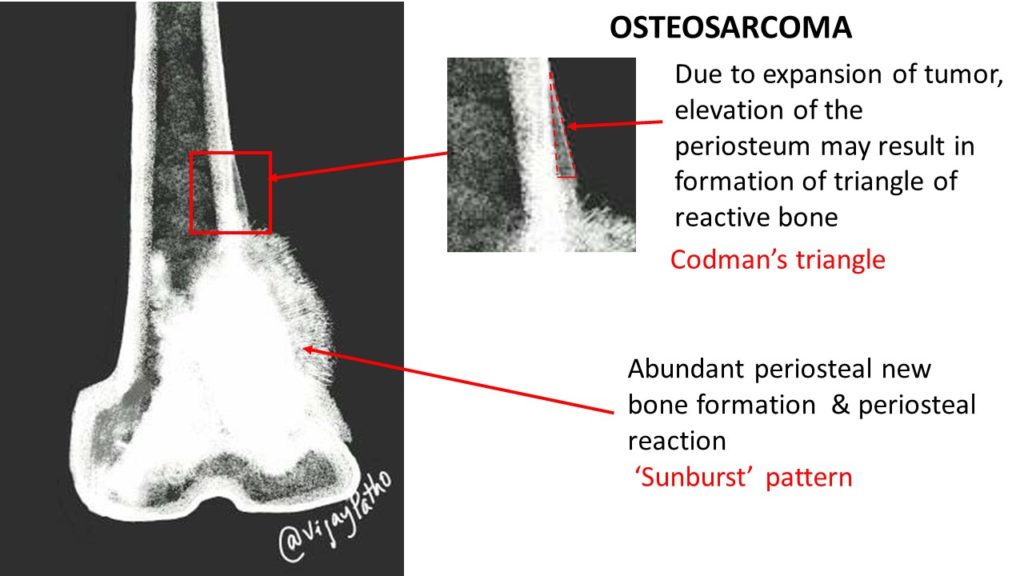
Pathological features Pathology Made Simple

Sunburst periosteal reaction Image

Sunray Appearance
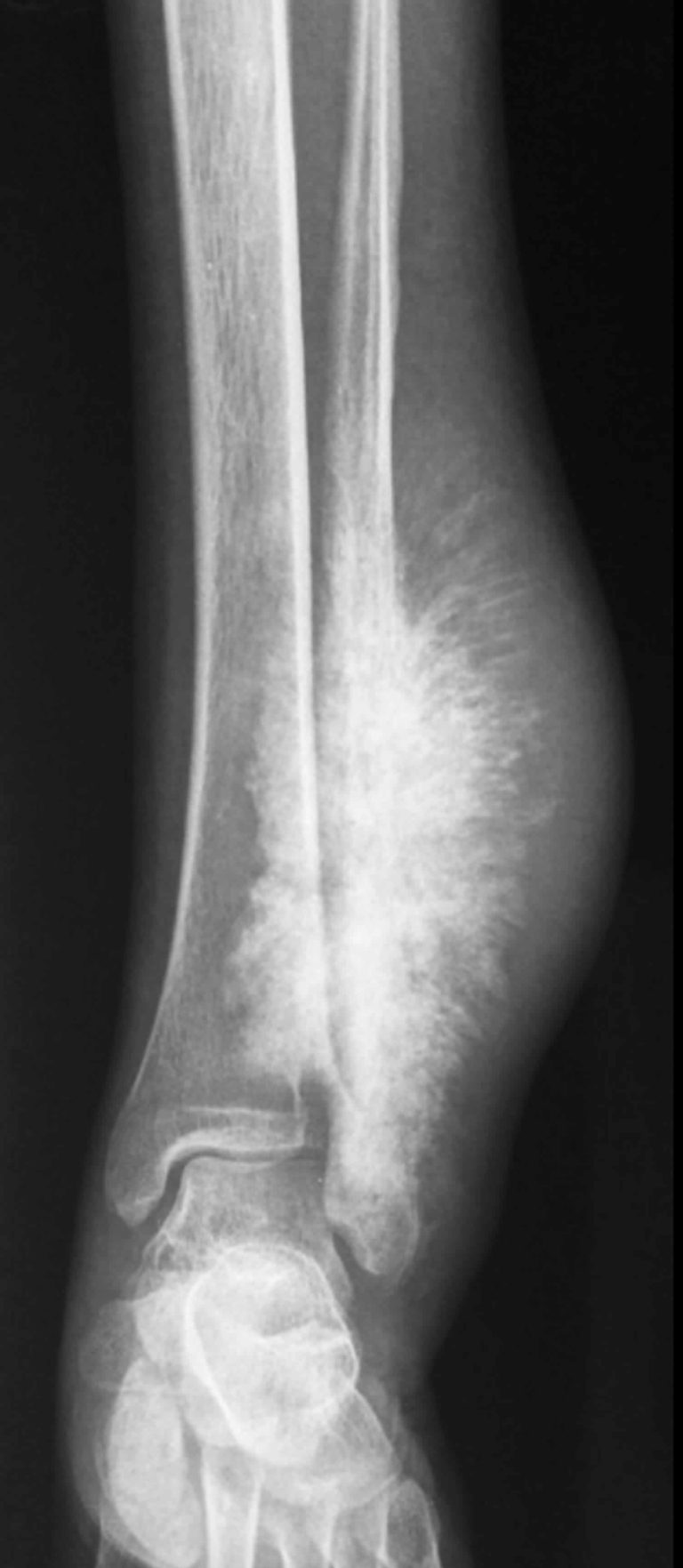
Periosteal reaction & types of periosteal reaction
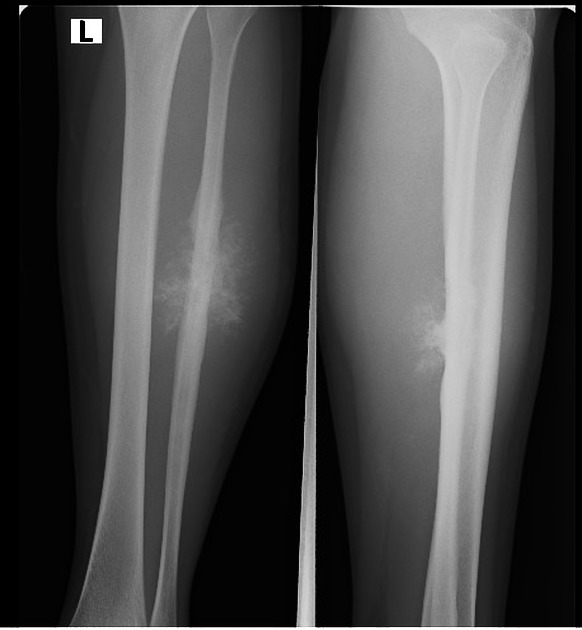
sunburst appearance pacs
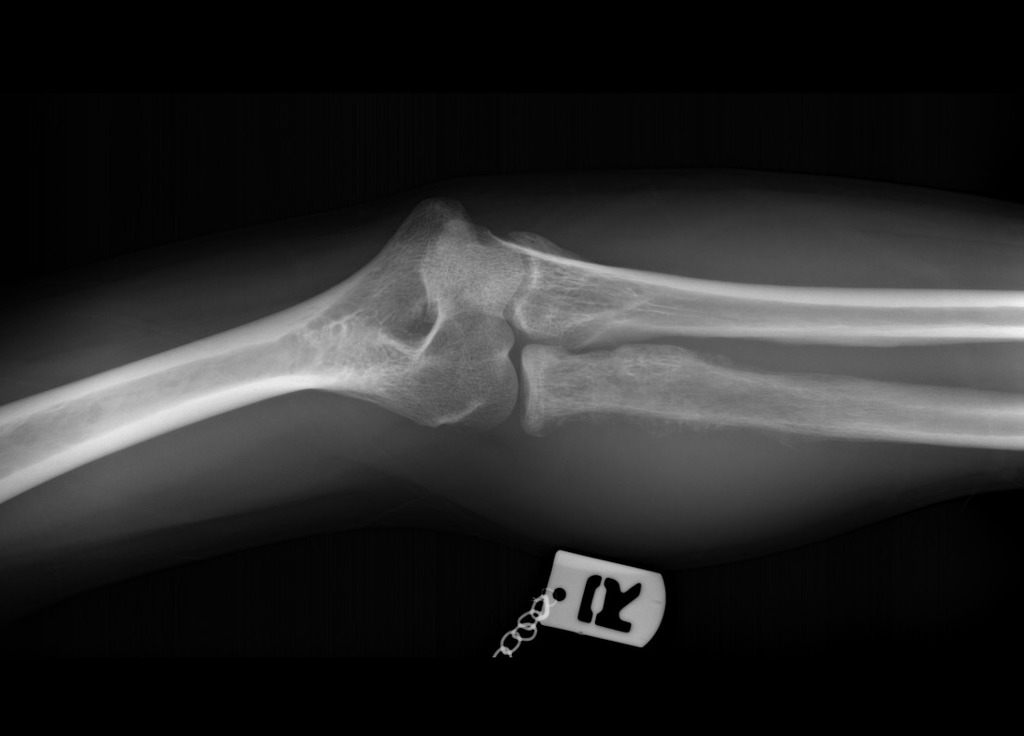
Jaw Sunburst / 10 Radiopacities Pocket Dentistry 10

Osteogenic Sunburst
OrthoInfo AAOS
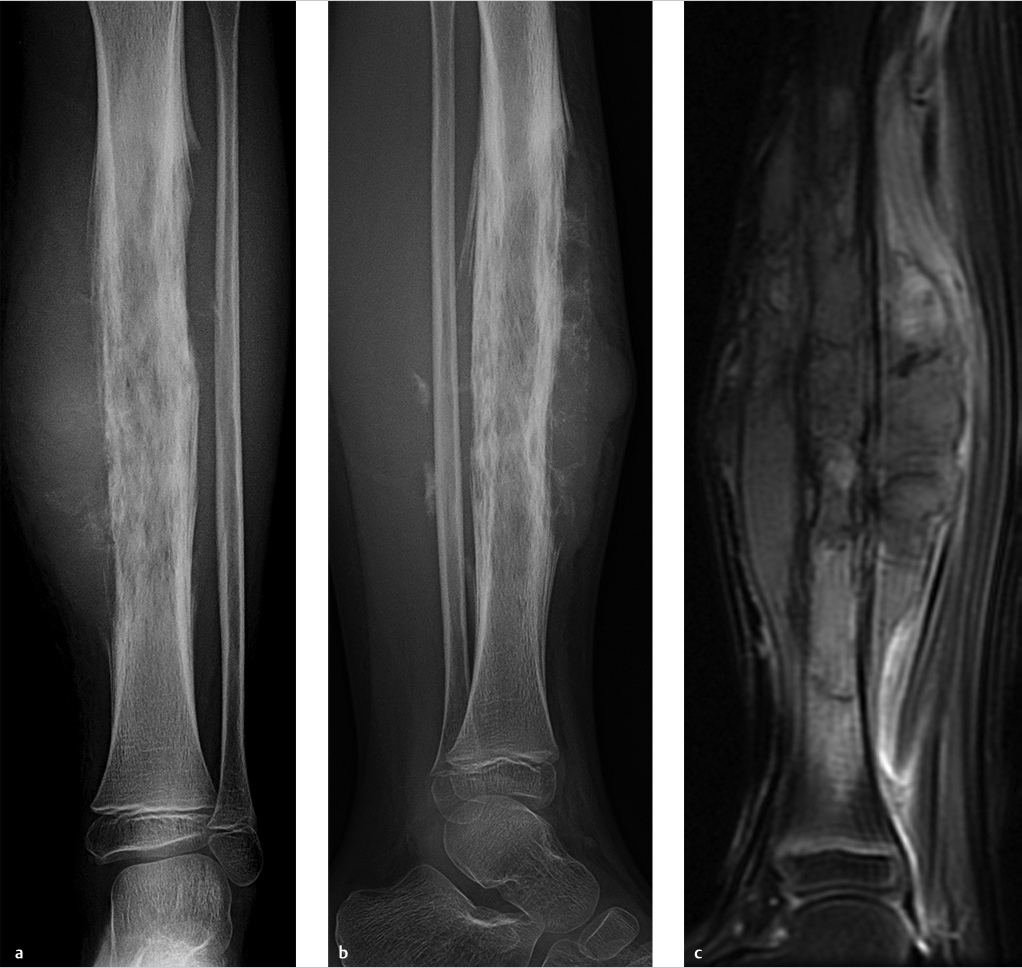
Xray Sunburst

Malignant Bone Tumors Oncology Medbullets Step 1
Web He Has Been Having Pain In This Area For The Past Few Months, Has Progressively Worsened, And Persists In The Night.
Conventional Intramedullary Osteosarcomas Are Malignant, Aggressive, Osteogenic Bone Tumors Most Commonly Found In The Knee And Shoulder Regions.
Similar Content Being Viewed By Others.
A Pathologic Fracture May Be Seen Through The Abnormal Bone.
Related Post: