
Yeti Microphone Pattern Settings
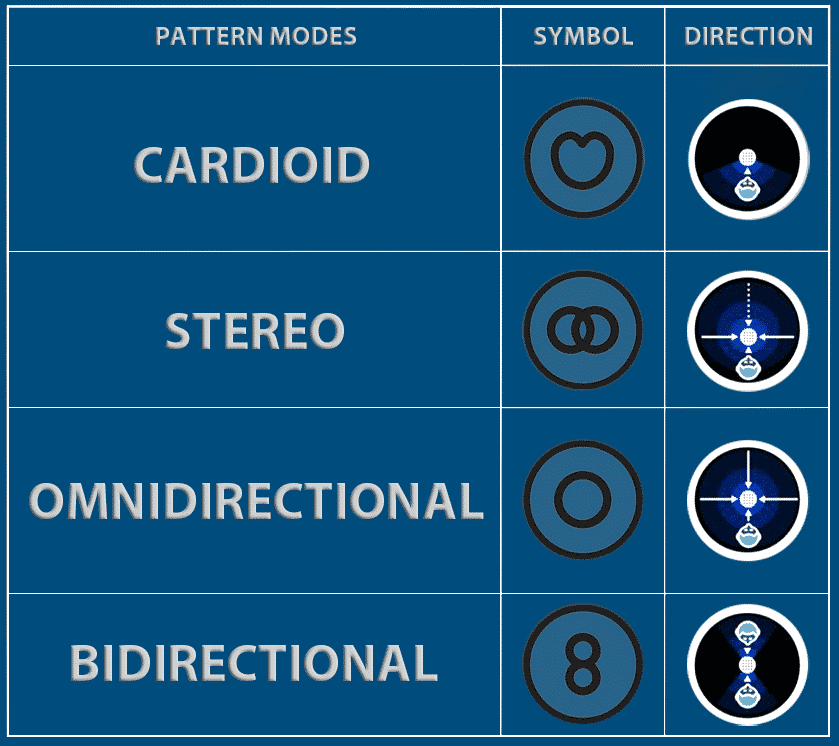
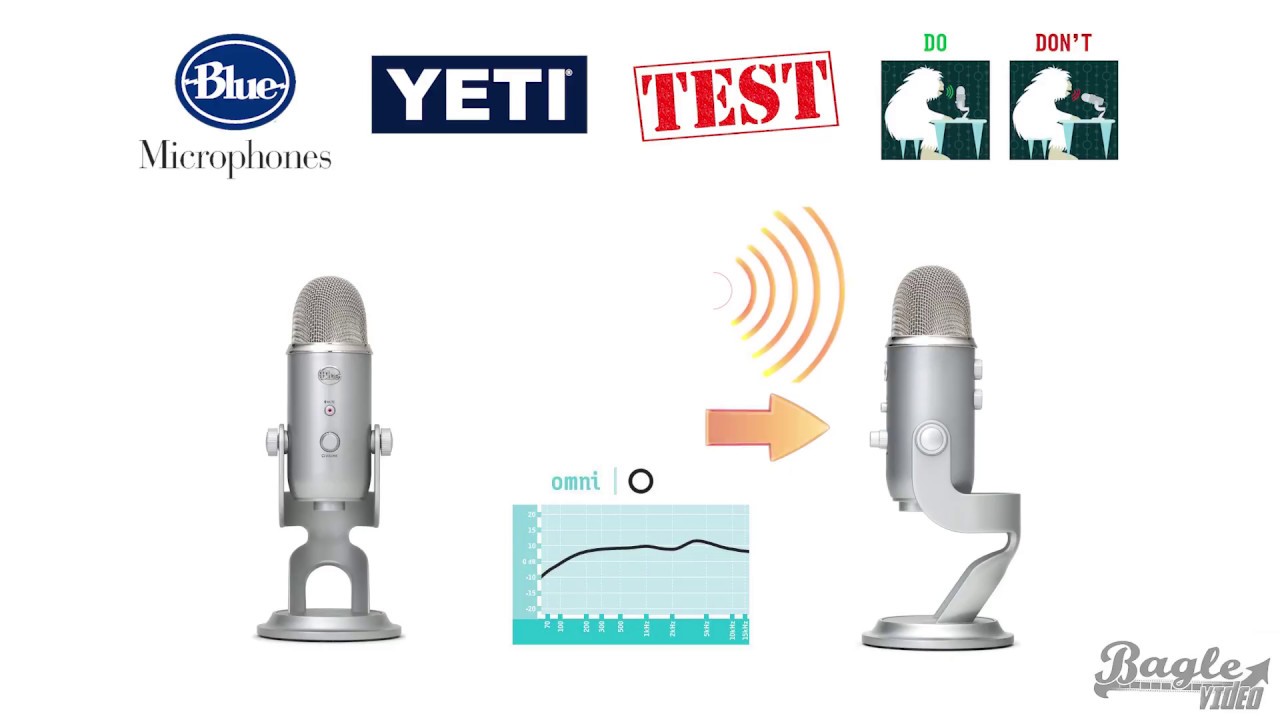
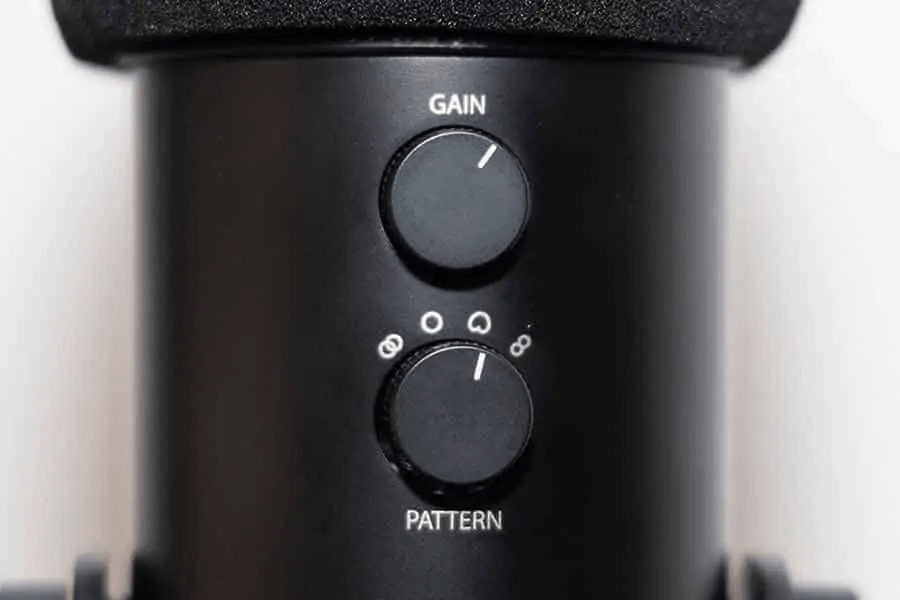
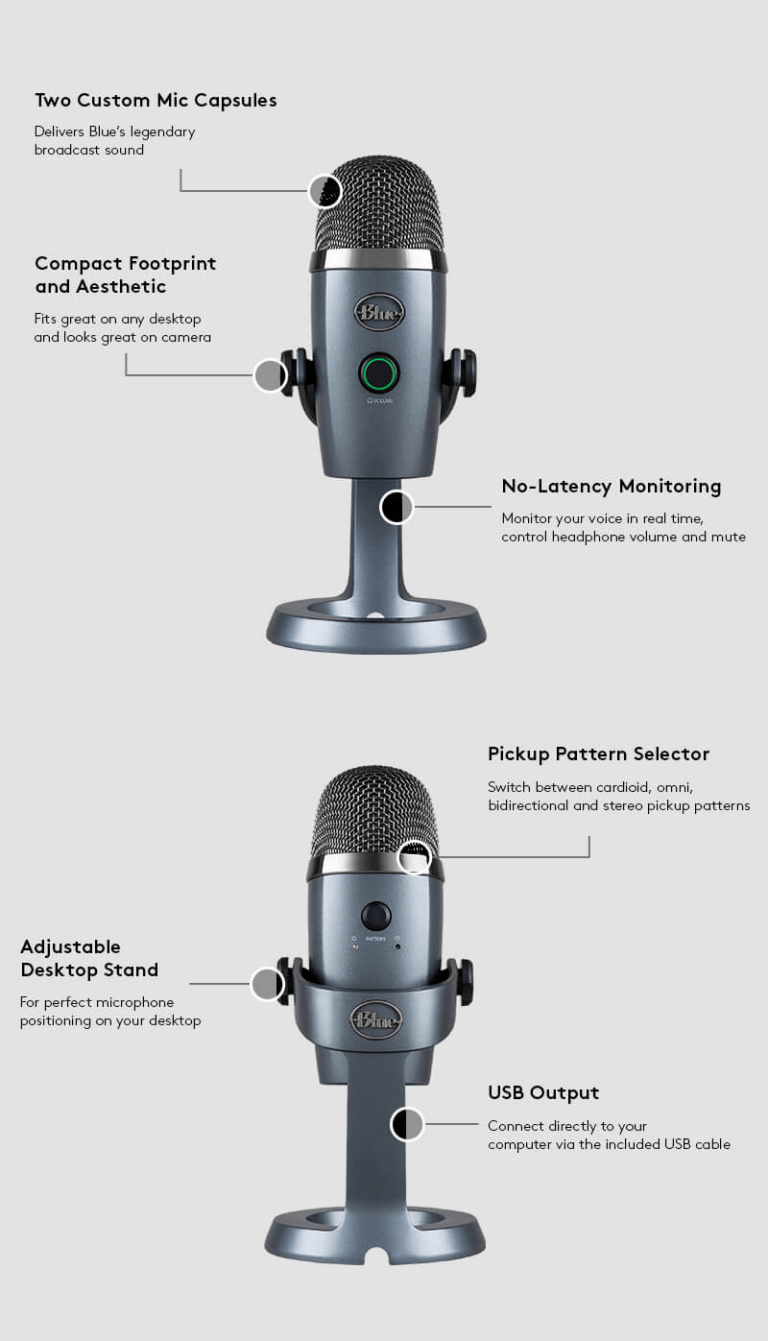
Yeti Microphone Pattern Settings - Cardioid, stereo, bidirectional, and omnidirectional. This is ideal for recording loud sound sources or when the microphone is close to the audio source. There are four different pickup patterns on the blue yeti mic. As a condenser microphone, the blue yeti has a frequency response of 20hz to 20khz, which is sensitive enough to pick up even the faintest sound in the surroundings. But in general, choosing a cardioid pickup pattern, setting the gain to an appropriate level, using a pop filter, and having a strategic microphone placement. Web the four blue yeti microphone patterns or modes are bidirectional, cardioid, omnidirectional, and stereo. Web four selectable recording patterns: Web the blue yeti’s settings should be adjusted for the specific recording environment. Each pattern serves a specific purpose, allowing you to tailor your microphone’s. The optimal setting for your blue yeti microphone to get better sound quality. Gain can be adjusted via the central knob on the backside of the microphone and should be centered to start. Web the blue yeti’s settings should be adjusted for the specific recording environment. Web four selectable recording patterns: Check the settings in your recording software / daw. Web here’s what you’ll learn: This means you have to configure it properly to pick up an acceptable amount of noise. Set a suitable gain level. Web in this video i show you the blue yeti pickup patterns that your microphone can be set to in order to achieve the ideal recording setup for your podcast. Web the yeti microphone settings for picking up sound include four patterns that can be interchanged. Cardioid, stereo, bidirectional, and omnidirectional. Each blue yeti pattern changes the microphone’s direction of maximum sensitivity and the direction or directions of maximum sound rejection. Gain can be adjusted via the central knob on the backside of the microphone and should be centered to start. Web zero gain or low gain: The graph shows the symbols representing each yeti mic mode, their purpose, and how. But in general, choosing a cardioid pickup pattern, setting the gain to an appropriate level, using a pop filter, and having a strategic microphone placement. Which yeti mode is the best? The yeti has 4 different polar pattern options. The gain setting controls how sensitive the microphone is, and if it’s set too high, it can cause problems with feedback. The optimal setting for your blue yeti microphone to get better sound quality. Web the yeti microphone settings for picking up sound include four patterns that can be interchanged. As a condenser microphone, the blue yeti has a frequency response of 20hz to 20khz, which is sensitive enough to pick up even the faintest sound in the surroundings. Which yeti. Drop that gain down low. There are four different pickup patterns on the blue yeti mic. When you get into the properties of your blue yeti microphone, configure the following settings: Set a suitable gain level. This means you have to configure it properly to pick up an acceptable amount of noise. The polar pattern is the area on the microphone that is sensitive to audio signals. Everything you need to know to get clear audio for your blue yeti microphone. Setting up the blue yeti. When it comes down to it, this setting blocks out any unwanted sound. Web here’s what you’ll learn: When it comes down to it, this setting blocks out any unwanted sound. This is ideal for recording loud sound sources or when the microphone is close to the audio source. Web zero gain or low gain: Web in order to prevent any keyboard feedback or loud mouse clicking coming through to the microphone, you can adjust your blue yeti. Drop that gain down low. Web in order to prevent any keyboard feedback or loud mouse clicking coming through to the microphone, you can adjust your blue yeti settings accordingly. Check the settings in your recording software / daw. The graph shows the symbols representing each yeti mic mode, their purpose, and how the sound is picked up. The polar. Gain can be adjusted via the central knob on the backside of the microphone and should be centered to start. Cardioid, stereo, bidirectional, and omnidirectional. This means you have to configure it properly to pick up an acceptable amount of noise. Web polar patterns are settings that determine how the mic picks up all of the sounds around it. The. Understand the difference between mic gain and volume. Web in order to prevent any keyboard feedback or loud mouse clicking coming through to the microphone, you can adjust your blue yeti settings accordingly. Drop that gain down low. Gain can be adjusted via the central knob on the backside of the microphone and should be centered to start. On the. But in general, choosing a cardioid pickup pattern, setting the gain to an appropriate level, using a pop filter, and having a strategic microphone placement. Web use a pop filter or mic foam. Web best blue yeti settings. Reduce the gain to low without muting the microphone completely. One of the biggest pros of the blue yeti can also be. This is as volume would be to speakers. To choose the best blue yeti settings adjust two things. The graph shows the symbols representing each yeti mic mode, their purpose, and how the sound is picked up. Second, they ignore the gain setting. The polar pattern is the area on the microphone that is sensitive to audio signals. Reduce the gain to low without muting the microphone completely. Each blue yeti pattern changes the microphone’s direction of maximum sensitivity and the direction or directions of maximum sound rejection. When it comes down to it, this setting blocks out any unwanted sound. This means you have to configure it properly to pick up an acceptable amount of noise. Setting the gain to zero or at its lowest level reduces the microphone’s sensitivity. Set a suitable gain level. Most microphones either come with an omnidirectional or cardioid polar pattern but blue yeti offers multiple polar patterns, allowing the users to switch between them according to requirements. Web use a pop filter or mic foam. Web in order to prevent any keyboard feedback or loud mouse clicking coming through to the microphone, you can adjust your blue yeti settings accordingly. The blue yeti offers four recording patterns: But in general, choosing a cardioid pickup pattern, setting the gain to an appropriate level, using a pop filter, and having a strategic microphone placement.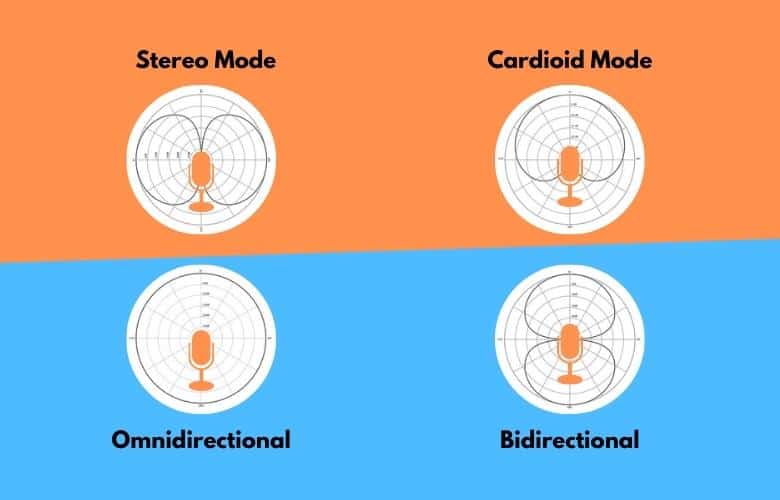
Best Settings For Blue Yeti Microphone Guide)
Blue Yeti Microphone How To Set Up Dubois Knowell

Blue Yeti Microphone Vintage White Ultimate Edition UnBoxing & Review

Blue Yeti Tutorial How To Use The Blue Yeti Microphone To Get Clear
Blue Yeti How To Use Your Microphone Record Settings 90 Second

HOW TO OPERATE BLUE YETI MICROPHONE PATTERN FUNCTIONS MOIN UDDIN SHOW

Blue Microphones Yeti Review
All About Blue Yeti Mic Pattern Settings Hollyland
![Best Settings For Blue Yeti Microphone [Expert Guide]](https://www.becomesingers.com/wp-content/uploads/2020/10/Blue-Yeti-Pattern-Settings.png)
Best Settings For Blue Yeti Microphone [Expert Guide]
All About Blue Yeti Mic Pattern Settings Hollyland
The Gain Setting Controls How Sensitive The Microphone Is, And If It’s Set Too High, It Can Cause Problems With Feedback And Noise.
Use A Shock Mount / Boom Arm.
Gain, Simply Put, Is The Level Of Allowed Sound Input To The Microphone.
Web Polar Patterns Are Settings That Determine How The Mic Picks Up All Of The Sounds Around It.
Related Post: